Republished by Blog Post Promoter


Republished by Blog Post Promoter
Republished by Blog Post Promoter
Republished by Blog Post Promoter
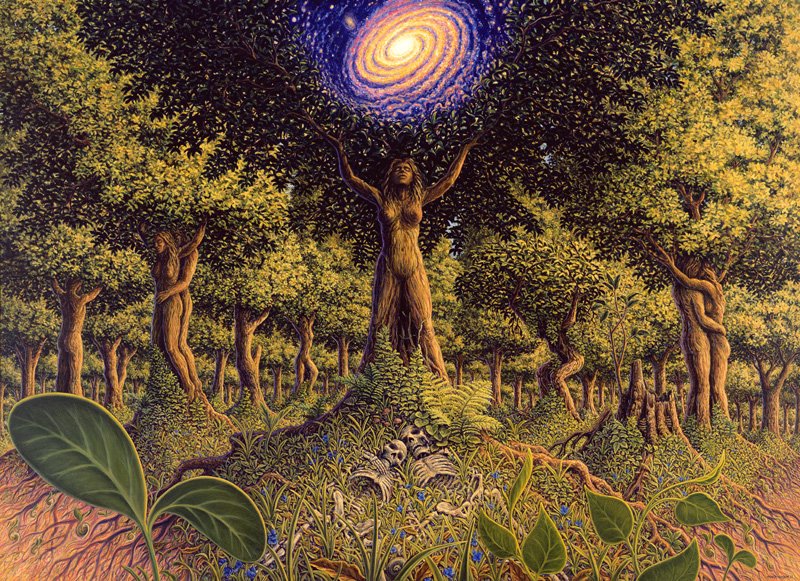 Animism (from Latin anima, “breath, spirit, life”) is the observation that objects, places and creatures all possess a distinct spiritual essence. Potentially, animism perceives all things—animals, plants, rocks, rivers, weather systems, human handiwork and perhaps even words—as animated and alive. Animism often includes “an idea of pervading life and will in nature”, a belief that natural objects other than humans have souls.
The animistic perspective is so widely held and inherent to most indigenous peoples that they often do not even have a word in their languages that corresponds to “animism” or even “religion.
Animism encompasses the beliefs that all material phenomena have agency, that there exists no hard and fast distinction between the spiritual and physical (or material) world and that soul or spirit or sentience exists not only in humans, but also in other animals, plants, rocks, geographic features such as mountains or rivers or other entities of the natural environment: water sprites, vegetation deities, tree sprites, etc..
Republished by Blog Post Promoter
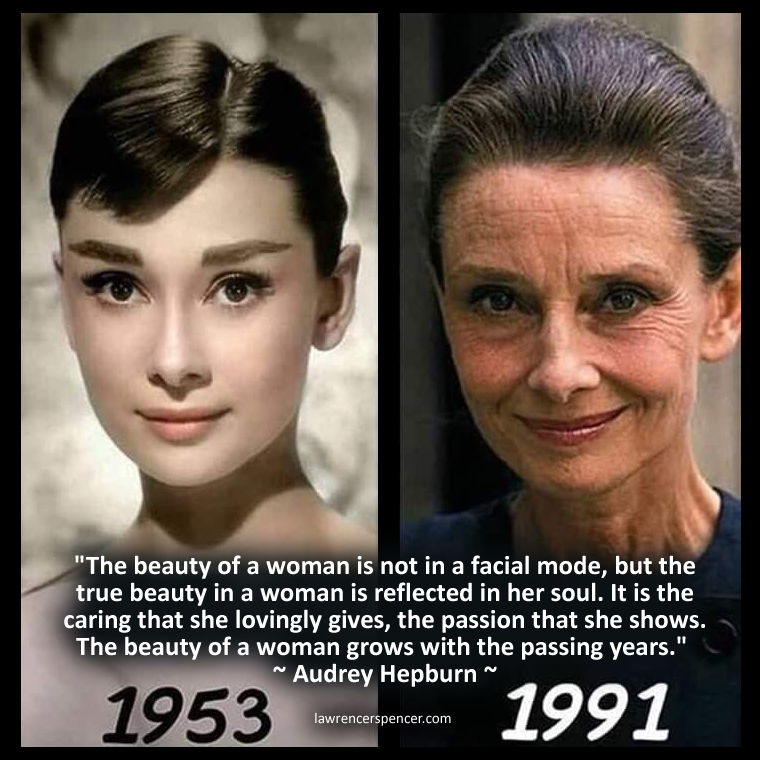 “The beauty of a woman is not in a facial mode, but the true beauty in a woman is reflected in her soul. It is the caring that she lovingly gives, the passion that she shows. The beauty of a woman grows with the passing years.”
~ Audrey Hepburn ~
Audrey Hepburn (4 May 1929 – 20 January 1993) was a British actress, model, dancer, and humanitarian. Recognised as a film and fashion icon, Hepburn was active during Hollywood’s Golden Age. Audrey Hepburn’s legacy has endured long after her death. The American Film Institute named Hepburn third among the Greatest Female Stars of All Time. She is one of few entertainers who have won Academy, Emmy, Grammy and Tony Awards. She won a record three BAFTA Awards for Best British Actress in a Leading Role.
Republished by Blog Post Promoter