Republished by Blog Post Promoter

Eating dead bodies: it’s a human thing.
Hell: it’s a real place. It’s called “Earth”.

Universes are comprised of thoughts, ideas, dreams, illusions, delusions, which may also include stars, space, time, energy and objects. Or not. These are the universes of the author Lawrence R. Spencer, and others for whom he has an affinity.
Republished by Blog Post Promoter
Eating dead bodies: it’s a human thing.
Hell: it’s a real place. It’s called “Earth”.
Republished by Blog Post Promoter
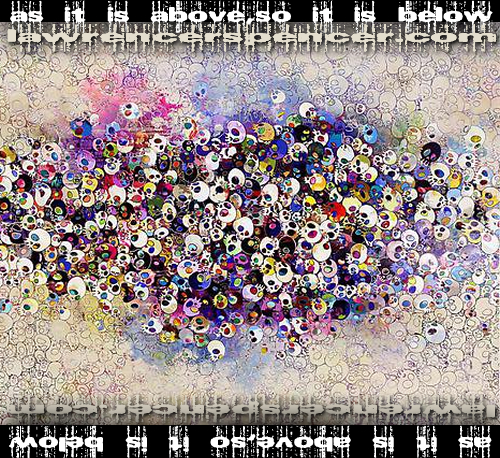
The microcosm and the macrocosm in this universe are composed of the same particles, behaving according to the same laws. Regardless of magnitude, the greater mirrors the lesser as the lesser reveals the greater. Likewise, it is created and perceived by the same beings who share responsibility for the maintenance of it through their agreement.
Republished by Blog Post Promoter
 AN AVERAGE HUMAN BEING CANNOT DETECT OR CONFRONT EVIL, EVEN WHEN IT’S STANDING IN FRONT OF THEM.
HERE ARE A FEW OTHER DEFINITIONS THAT WILL HELP YOU DETECT EVIL IN YOUR ENVIRONMENT:
1. Having qualities tending to injury.
2. Morally corrupt; wicked; wrong; vicious; as, evil conduct, thoughts, heart, words, and the like.
3. Producing or threatening sorrow, distress, injury, or calamity; unpropitious; calamitous; as, evil tidings; evil arrows; evil days. — Evil speaking, speaking ill of others; calumny; censoriousness. — The evil one, the Devil; Satan; Syn. — Pernicious; injurious; hurtful; destructive; wicked ; corrupt; perverse; vicious; calamitous.
4. Anything which impairs the happiness of a being or deprives a being of any good; anything which causes suffering of any kind to sentient beings.
5. Wickedness, malevolence, the desire to do people wrong. To take power for yourself at the expense of others, and then using it in the most ruthless and vile of ways. It is hurting people for no good reason at all, horrifically destroying their lives. It is tying damsels in distress to railroad tracks and then twirling about in a mustache and black cape. It is hate and wrath and rage.
Republished by Blog Post Promoter
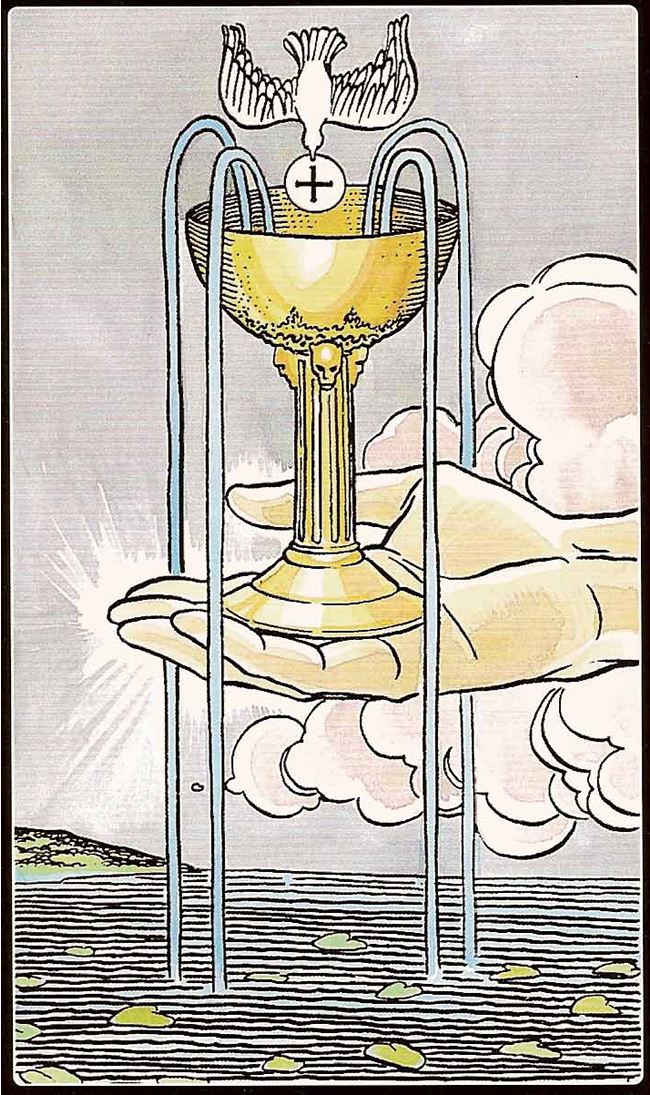
Ace of Cups is a card used in Latin suited playing cards (Italian, Spanish and tarot decks). It is the Ace from the suit of Cups. In Tarot, it is part of what card readers call the “Minor Arcana”, and as the first in the suit of Cups, signifies beginnings in the area of the social and emotional in life. Tarot cards are used throughout much of Europe to play tarot card games.
Playing cards first entered Europe in the late 14th century, probably from Mamluk Egypt, with suits very similar to the tarot suits of Swords, Staves, Cups and Coins (also known as disks, and pentacles) and those still used in traditional Italian, Spanish and Portuguese decks.
The first known documented tarot cards were created between 1430 and 1450 in Milan, Ferrara and Bologna in northern Italy when additional trump cards with allegorical illustrations were added to the common four-suit pack. These new decks were originally called carte da trionfi, triumph cards, and the additional cards known simply as trionfi, which became “trumps” in English. The first literary evidence of the existence of carte da trionfi is a written statement in the court records in Ferrara, in 1442. The oldest surviving tarot cards are from fifteen fragmented decks painted in the mid 15th century for the Visconti-Sforza family, the rulers of Milan.
The Ace of Cups shows a hand holding a cup or chalice that is overflowing with five streams of water. The hand that appears from the clouds represents our consciousness of spiritual energy and influence. Radiating from the hand are rays which symbolizes that you must always trust your inner feelings and your heart to lead the way. This is your intuition and inner power talking to you. The five streams represent the abundance and power of the spirit and the effect of spiritual energy upon our five senses. A dove holding a wafer or small disc in its mouth descends from above, signifying the incarnation and appearance of the spirit in the material world. Below the hand is a great sea covered with lotus blossoms, symbolizing the awakening of the human spirit.
The Ace of Cups Tarot card’s meaning is of joy and inner peace from friends and family. The five streams pouring out of the cup represent the five senses: sight, smell, hearing, taste and touch. As a symbol of possibility in the area of deep feelings, intimacy, attunement, compassion and love, in divination, it shows that a seed of emotional awareness has been planted in your life although you may not yet recognize it. When the seed sprouts, it could take almost any form. It might be an attraction, strong feeling, intuitive knowing, or sympathetic reaction. On the outside, it could be an offer, gift, opportunity, encounter or synchronistic event.
This card also suggests inner spirituality. Cups are the suit of the heart, and the Ace stands for the direct knowing that comes from the heart. Trust what your feelings are telling you. Seek out ways to explore your consciousness and your connections with Spirit. Allow the power of your emotions to guide you in a new direction. Embrace the love that is the Ace of Cups.
Republished by Blog Post Promoter
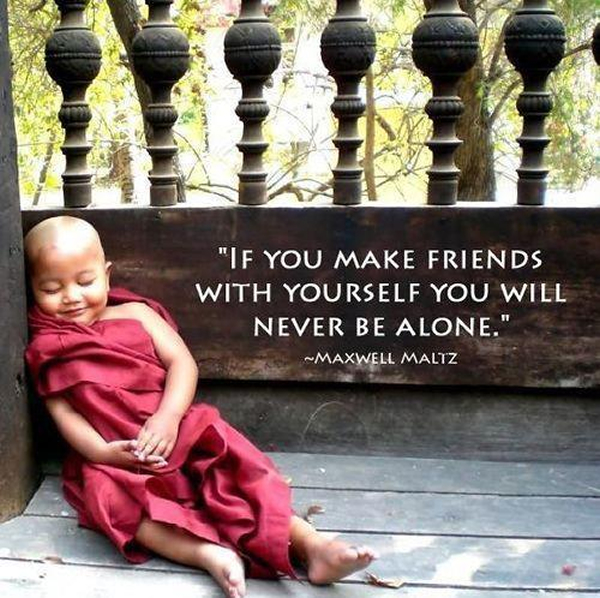
Maxwell Maltz (March 10, 1889 – April 7, 1975) was an American cosmetic surgeon and author of Psycho-Cybernetics (1960), which was a system of ideas that he claimed could improve one’s self-image. In turn, the person would lead a more successful and fulfilling life. He wrote several books, among which Psycho-Cybernetics was a long-time bestseller — influencing many subsequent self-help teachers. His orientation towards a system of ideas that would provide self-help is considered the forerunner of the now popular self-help books.
The book introduced Maltz’s views where a person must have an accurate and positive view of him- or herself before setting goals; otherwise he or she will get stuck in a continuing pattern of limiting beliefs. His ideas focus on visualizing one’s goals and he believes that self-image is the cornerstone of all the changes that take place in a person. According to Maltz, if one’s self-image is unhealthy or faulty — all of his or her efforts will end in failure. — (reference: Wikipedia.org)