Republished by Blog Post Promoter
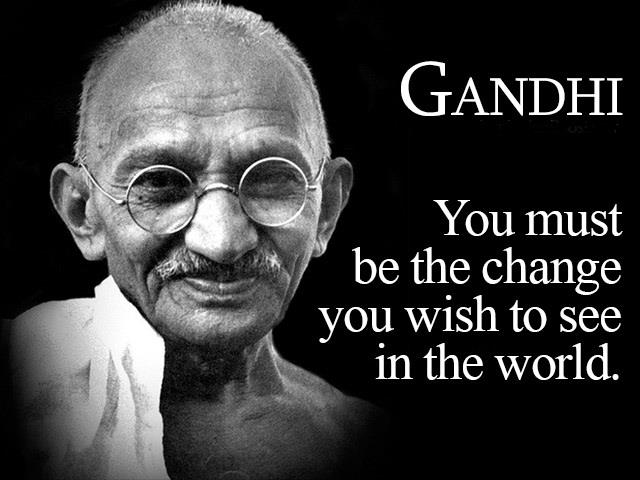
Freedom Fighters: Gandhi, Lincoln, MLK and JFK, Lennon and the latest victim of prison planet assassination, Michael Jackson. He told it like it is in the video below: “All I want to say is they don’t really care about us“. We may be in prison, but we can always fight back and try to escape! The visual images in this Michael Jackson video aren’t pretty…. but neither is the reality of living on a prison planet run by banksters and gangsters! Factually, “they” really don’t care about anything but Money, Power and Controlling You!
“They Don’t Care About Us” — Lyrics
Skin head, dead head
Everybody gone bad
Situation, aggravation
Everybody allegation
In the suite, on the news
Everybody dog food
Bang bang, shot dead
Everybody’s gone mad!
All I wanna say is that
They don’t really care about us
All I wanna say is that
They don’t really care about usBeat me, hate me
You can never break me
Will me, thrill me
You can never kill me
Jew me, sue me
Everybody do me
Kick me, kike me
Don’t you black or white meAll I wanna say is that
They don’t really care about us
All I wanna say is that
They don’t really care about usTell me what has become of my life
I have a wife and two children who love me
I am the victim of police brutality, now
I’m tired of bein’ the victim of hate
You’re rapin’ me of my pride
Oh, for God’s sake
I look to heaven to fulfill its prophecy…
Set me freeSkin head, dead head
Everybody gone bad
Trepidation, speculation
Everybody allegation
In the suite, on the news
Everybody dog food
Black male, black mail
Throw your brother in jail
All I wanna say is that
They don’t really care about us
All I wanna say is that
They don’t really care about us
Tell me what has become of my rights
Am I invisible because you ignore me?
Your proclamation promised me free liberty, now
I’m tired of bein’ the victim of shame
They’re throwing me in a class with a bad name
I can’t believe this is the land from which I came
You know I really do hate to say it
The government don’t wanna see
But if Roosevelt was livin’
He wouldn’t let this be, no, no
Skin head, dead head
Everybody gone bad
Situation, speculation
Everybody litigation
Beat me, bash me
You can never trash me
Hit me, kick me
You can never get me
All I wanna say is that
They don’t really care about us
All I wanna say is that
They don’t really care about us
Some things in life they just don’t wanna see
But if Martin Luther was livin’
He wouldn’t let this be, no, no
Skin head, dead head
Everybody gone bad
Situation, segregation
Everybody allegation
In the suite, on the news
Everybody dog food
Kick me, kike me
Don’t you wrong or right me
All I wanna say is that
They don’t really care about us
All I wanna say is that
They don’t really care about us

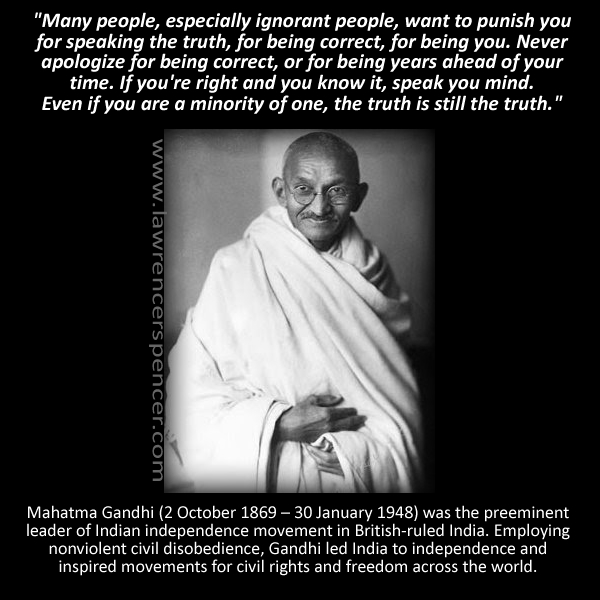 “Many people, especially ignorant people, want to punish you for speaking the truth, for being correct, for being you.