Republished by Blog Post Promoter
 This message is a public service of The Order of Omega Time Travel Cult

Republished by Blog Post Promoter
This message is a public service of The Order of Omega Time Travel Cult
Republished by Blog Post Promoter
Time is relative to the point of view of the observer. Regardless of your respective definition of a “year”, you are traveling through time in the physical universe, as measured by one or more monitoring systems devised by man to track the motion of particles through space. Here is a short list of definitions of the word “year”.
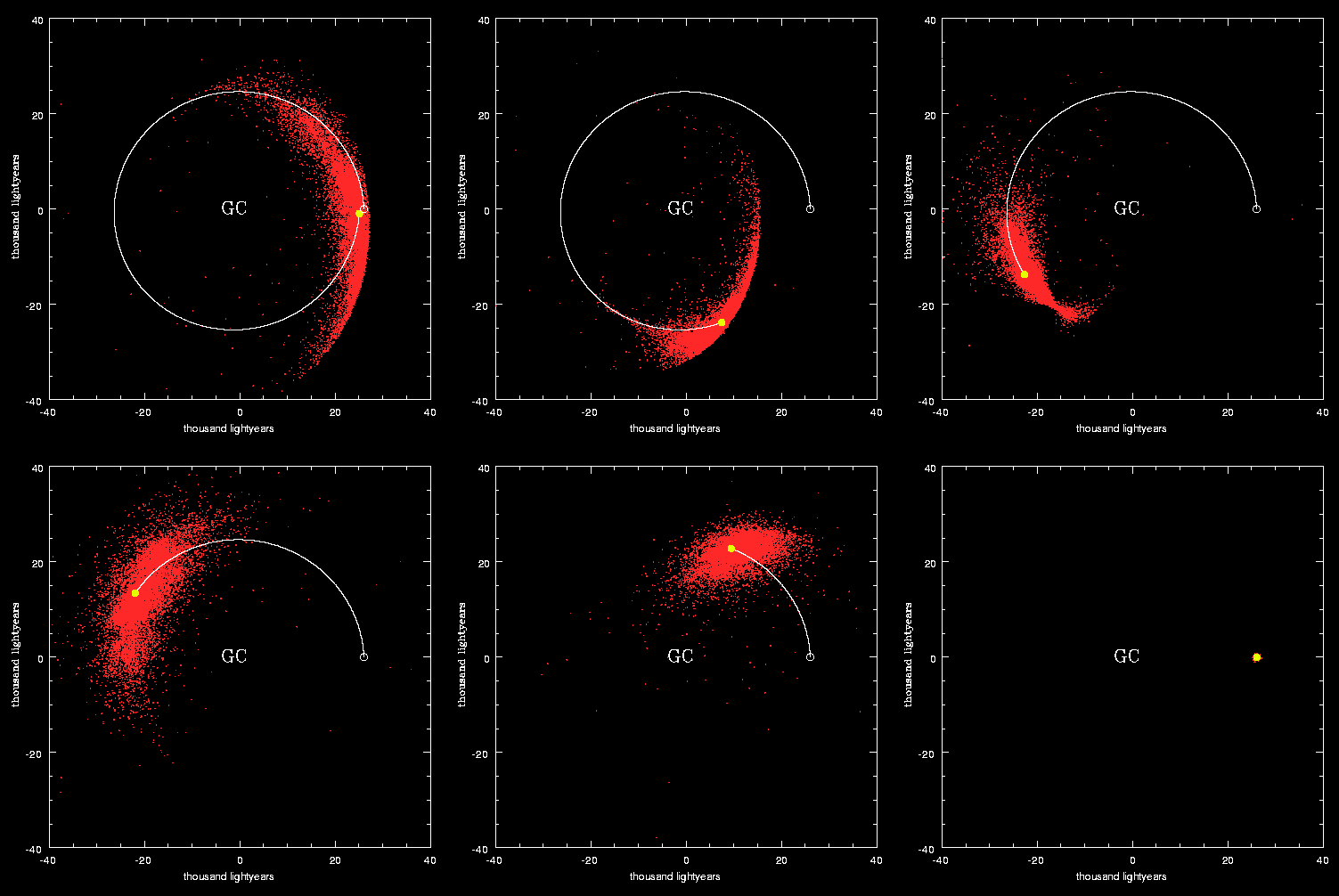
(Visualization of the orbit of the Sun (yellow dot and white curve) around the Galactic Centre (GC) in the last GALACTIC YEAR. The red dots correspond to the positions of the stars)
The galactic year, also known as a cosmic year, is the duration of time required for the Solar System to orbit once around the center of the Milky Way Galaxy.[1] Estimates of the length of one orbit range from 225 to 250 million “terrestrial” years. Solar System is traveling at an average speed of 828,000 km/h (230 km/s) or 514,000 mph (143 mi/s),which is about one 1300th of the speed of light. If you could travel at that speed in a jet aircraft along the equator, you would go all the way around the world in approximately 2 minutes and 54 seconds. Even at this speed, it still takes the solar system 230 million years to orbit the center of the Milky Way Galaxy one time. Hang on and enjoy the ride!
For those who prefer shorter periods of time, here are a list of the Wikipedia definitions of other “years”
This message has been transported to you as a public service by the Order of Omega Time Travel Cult family!
Republished by Blog Post Promoter
Official Transcript of the U.S. Army Air Force
Roswell Army Air Field, 509th Bomb Group
SUBJECT: ALIEN INTERVIEW, 25. 7. 1947, 1st Session
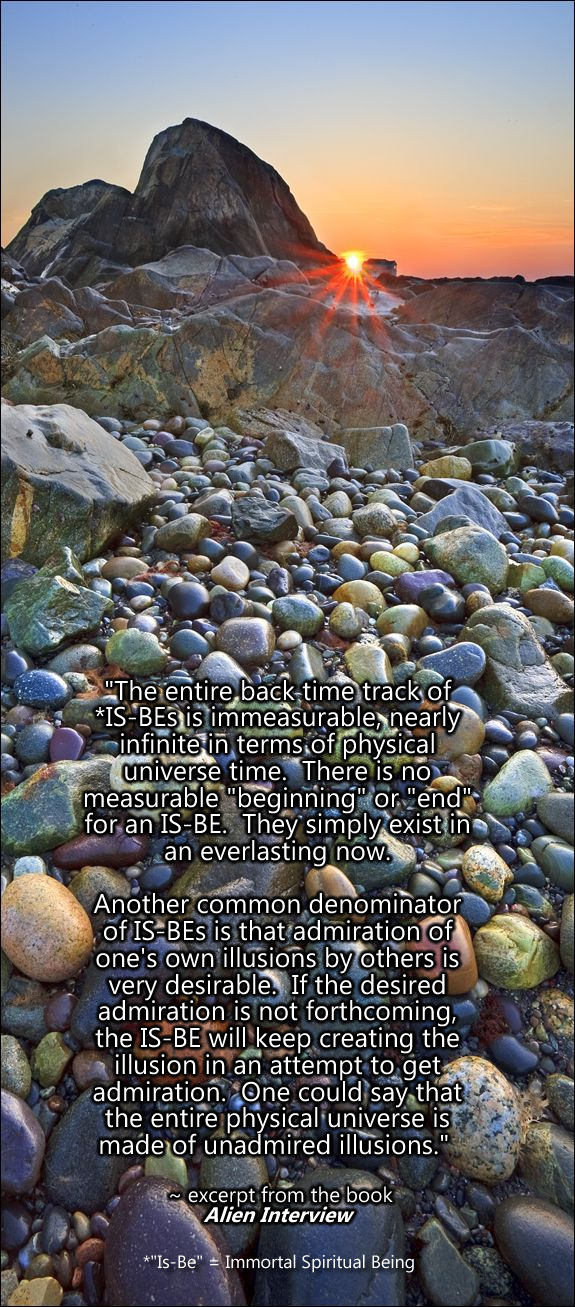
“Before you can understand the subject of history, you must first understand the subject of time. Time is simply an arbitrary measurement of the motion of objects through space.
Space is not linear. Space is determined by the point of view of an IS-BE when viewing an object. The distance between an IS-BE and the object being viewed is called “space”.
Objects, or energy masses, in space do not necessarily move in a linear fashion. In this universe, objects tend to move randomly or in a curving or cyclical pattern, or as determined by agreed upon rules.
 History is not only a linear record of events, as many authors of Earth history books imply, because it is not a string that can be stretched out and marked like a measuring tool. History is a subjective observation of the movement of objects through space, recorded from the point of view of a survivor, rather than of those who succumbed. Events occur interactively and concurrently, just as the biological body has a heart that pumps blood, while the lungs provide oxygen to the cells, which reproduce, using energy from the sun and chemicals from plants, at the same time as the liver strains toxic wastes from the blood, and eliminates them through the bladder and the bowels.
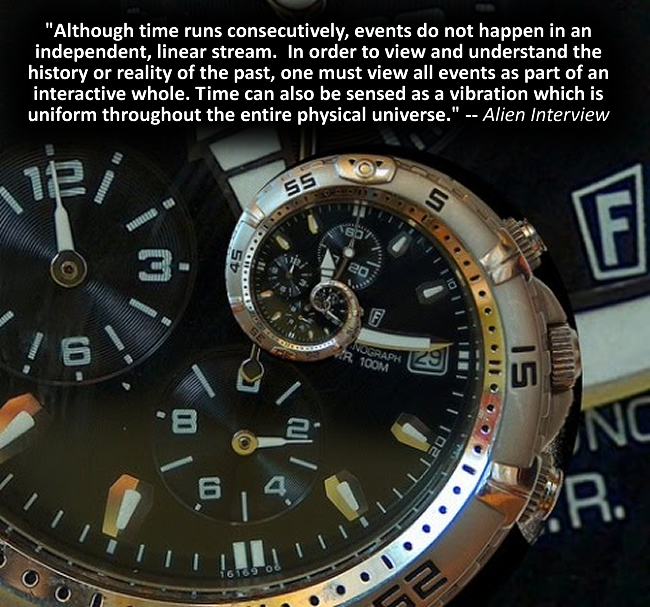
All of these interactions are concurrent and simultaneous. Although time runs consecutively, events do not happen in an independent, linear stream. In order to view and understand the history or reality of the past, one must view all events as part of an interactive whole. Time can also be sensed as a vibration which is uniform throughout the entire physical universe.”
— Excerpt from the book ALIEN INTERVIEW

Republished by Blog Post Promoter
Republished by Blog Post Promoter
Recently, I’ve become addicted to Tom Waits. He’s the existential zen master of musical eloquence.
Well the smart money’s on Harlow and the moon is in the street
And the shadow boys are breaking all the laws
And you’re east of East Saint Louis and the wind is making speeches
And the rain sounds like a round of applause
And Napoleon is weeping in a carnival saloon
His invisible fiancee’s in the mirror
And the band is going home, it’s raining hammers, it’s raining nails
And it’s true there’s nothing left for him down here
And it’s time time time, and it’s time time time
And it’s time time time that you love
And it’s time time time
And they all pretend they’re orphans and their memory’s like a train
You can see it getting smaller as it pulls away
And the things you can’t remember tell the things you can’t forget
That history puts a saint in every dream
Well she said she’d stick around until the bandages came off
But these mama’s boys just don’t know when to quit
And Mathilda asks the sailors “Are those dreams or are those prayers?”
So close your eyes, son, and this won’t hurt a bit
Oh it’s time time time, and it’s time time time
And it’s time time time that you love
And it’s time time time
Well things are pretty lousy for a calendar girl
The boys just dive right off the cars and splash into the street
And when they’re on a roll she pulls a razor from her boot
And a thousand pigeons fall around her feet
So put a candle in the window and a kiss upon his lips
As the dish outside the window fills with rain
Just like a stranger with the weeds in your heart
And pay the fiddler off ’til I come back again
Oh it’s time time time, and it’s time time time
And it’s time time time that you love
And it’s time time time
And it’s time time time, and it’s time time time
And it’s time time time that you love
And it’s time time time.