Tag Archives: insects

100 MILLION SPECIES

Republished by Blog Post Promoter

Mankind is only one SPECIES of life on Earth.  According the leading “scientific authorities”:  ...the “estimated total number of species on Earth is 6.5 million species found on land, and 2.2 million (about 25 percent of the total) dwelling in the ocean depths.  However, a study, published by PLoS Biology, says a staggering 86% of all species on land and 91% of those in the seas have yet to be discovered, described and cataloged.”  

If we do the math, we learn that 8.7 million is roughly 80% – 90% of ONE HUNDRED MILLION species on this planet.  That’s a LOT of life!  How many even MORE bizarre life forms are as yet undiscovered?  And how many more might there be living throughout the rest of our own galaxy?  (I won’t mention the whole universe….).  

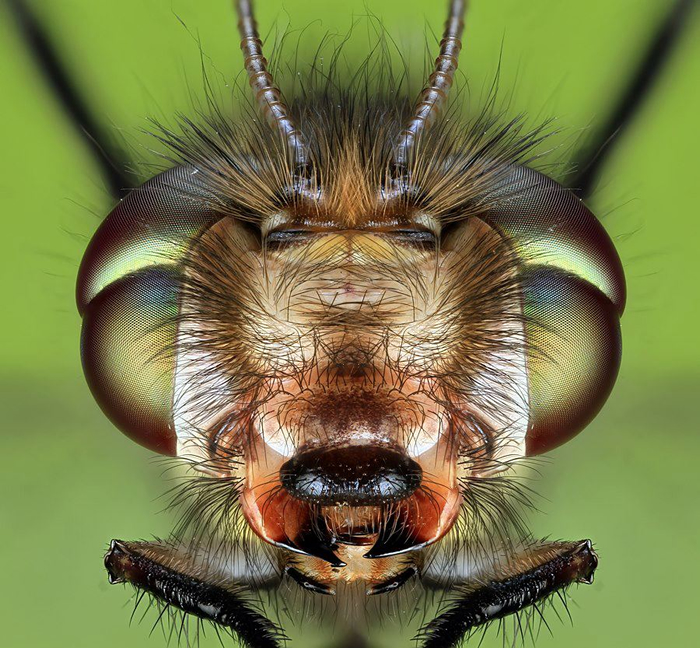
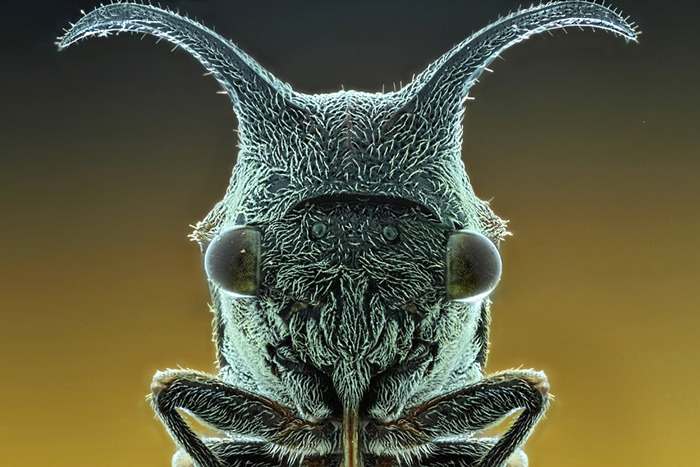
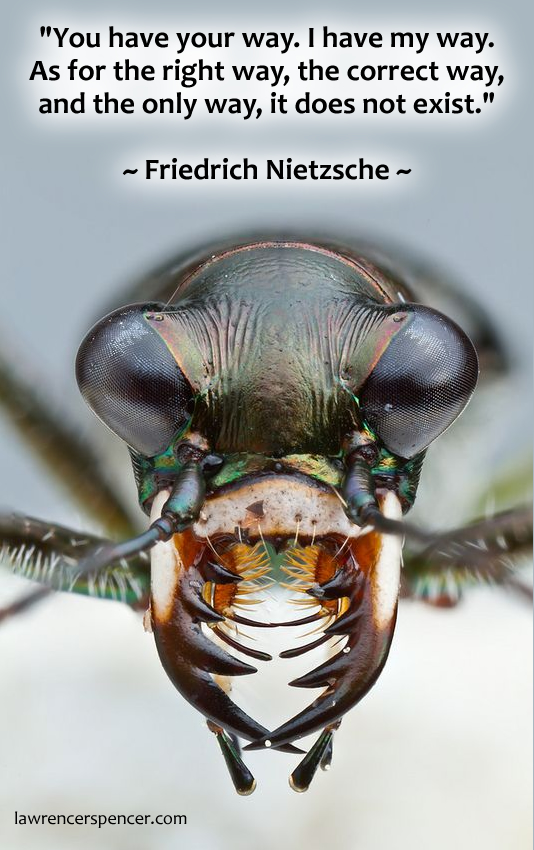
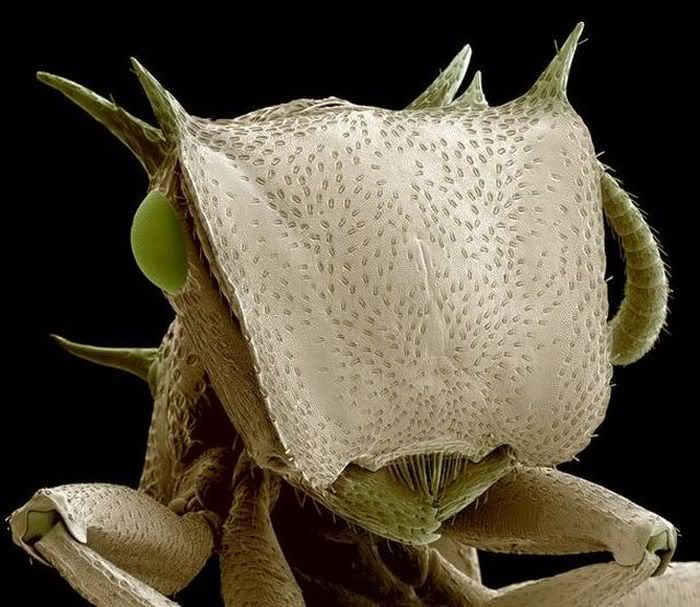
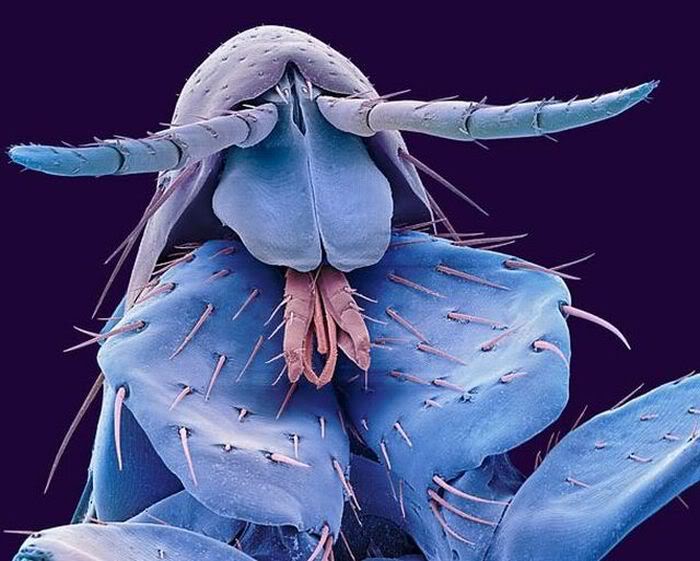
Many more imagined creatures are described in science fiction stories on other planets and galaxies.  But, very few of these fictional “monstrosities” are as strange and bizarre at the real creatures that inhabit the microcosm on our own planet.  Here are pictures of a few common insects viewed with the aid of an electron microscope.  It is a challenge to imagine creatures more bizarre than these!

electron-microscope

army_ant

electro_microscope-flea

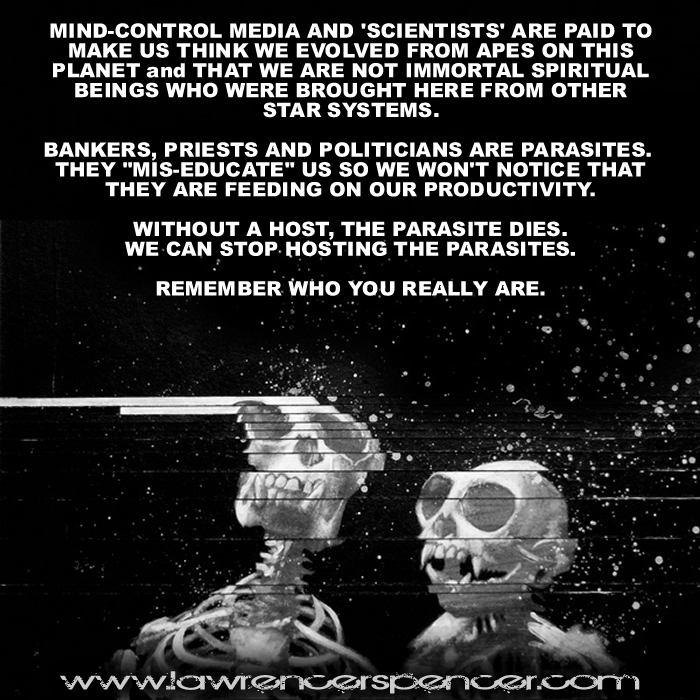
MIND-CONTROL PARASITES

Republished by Blog Post Promoter

MIND-CONTROL PARASITES

An actual example from nature of a parasitic insect that uses “mind-control” to cause the host insect to change its normal behavior to the benefit of the parasite,  is described in the PDF article below.

ABSTRACT: On the evening that it will kill its host, the orb-weaving spider Plesiometa argyra, the larva of the Ichneumonid wasp induces the spider to perform highly stereotyped construction behavior and build a ‘‘cocoon web’’ that is particularly well designed to support the wasp larva’s cocoon.

Here is a PDF file of a recent article written by William G. Eberhard which describes this phenomenon in detail:  PARASITES CONTROL MIND

MULTIPLE POINTS OF VIEW

Republished by Blog Post Promoter

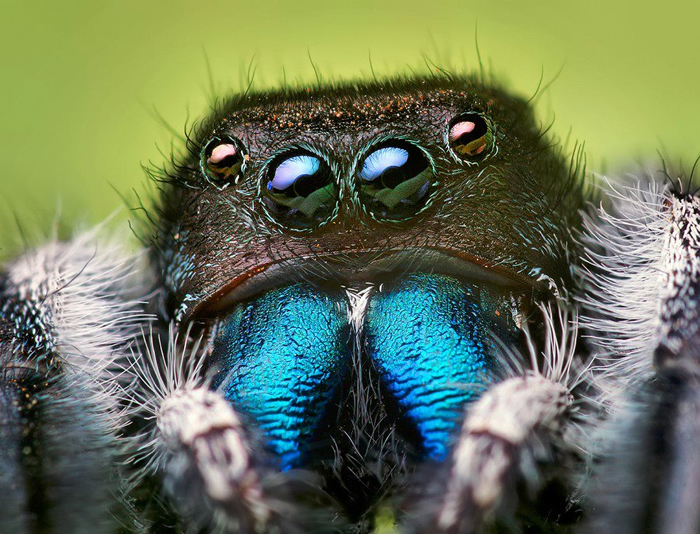
INSECTS SEE MORE MORE CLEARLY USING MULTIPLE POINTS OF VIEW….MAYBE WE CAN TOO?
Old 4-Eyes

ALIENEYES

553012_438811596205457_155237134_n

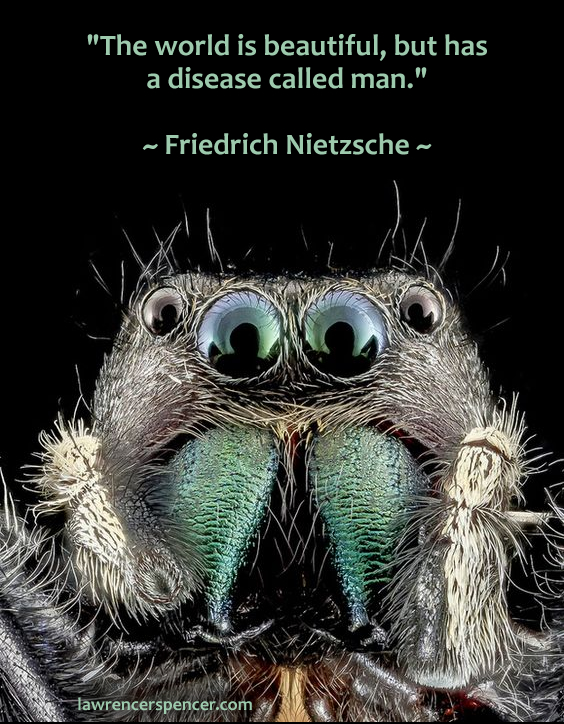
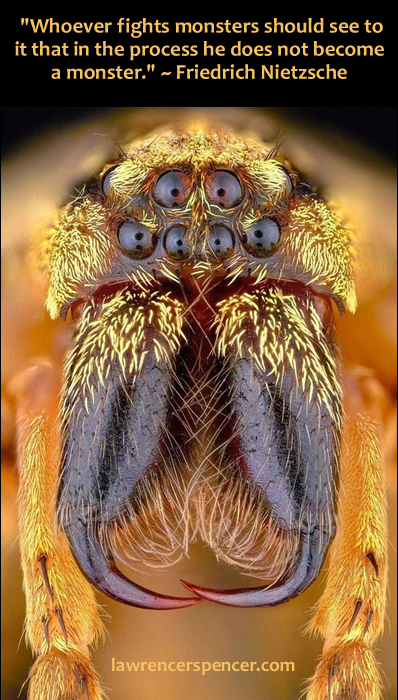
Compound and human eyes are essentially the same in some respect. The main difference is that compound eyes are made up of many individual eyes (called ommatidia), each forming its own image. Thus, the insect brain receives and processes many images and converts them into “pictures” made up of many pieces, like a puzzle. Compare it to watching a single scene on many screens showing slightly different perspectives. The image produced by each ommatidium is very small but collectively, an insect’s ommatidia can cover almost a 360-degree field of view, allowing good binocular vision in all directions, important for capturing prey and avoiding predators. They’re especially good at detecting motion, because images pass successively across the ommatidia. That’s why it’s so hard to sneak up on insects!

Insect vision surpasses human vision in several other ways. Insects can see well into the ultraviolet end of the light spectrum, to which we are completely blind. Insect eyes function well at different light intensities, including much lower intensities (i.e., darker conditions) than ours. Many insect eyes also can detect the plane of polarized light, which is useful for orientation on cloudy days.

Insects’ simple eyes are called ocelli, and they are more different from compound eyes than compound eyes are from human eyes. Many adult insects have two or three and some larvae have up to six. Each ocellus consists of up to 1000 or so sensory cells and a single lens. Ocelli respond to the intensity and direction of light but do not form images. They do form a highly sensitive and fast-reacting system that helps the insect preserve stability in flight.”