Republished by Blog Post Promoter
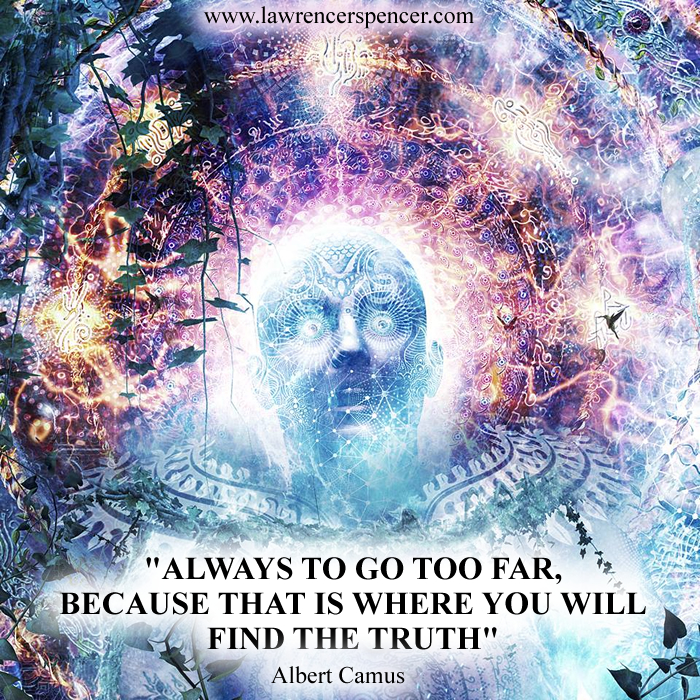
Albert Camus (1913 – 1960) was a French Nobel Prize winning author, journalist, and philosopher, described as the ″James Dean of philosophy″. Throughout his life, Camus spoke out against and actively opposed Totalitarianism in its many forms. Early on, Camus was active within the French Resistance to the German occupation of France during World War II, even directing the famous Resistance journal, Combat. On the French collaboration with Nazi occupiers he wrote: “Now the only moral value is courage, which is useful here for judging the puppets and chatterboxes who pretend to speak in the name of the people.”
Camus presents the reader with dualisms such as happiness and sadness, dark and light, life and death, etc. He emphasizes the fact that happiness is fleeting and that the human condition is one of mortality; for Camus, this is cause for a greater appreciation for life and happiness. In Le Mythe, dualism becomes a paradox: we value our own lives in spite of our mortality and in spite of the universe’s silence. While we can live with a dualism (I can accept periods of unhappiness, because I know I will also experience happiness to come), we cannot live with the paradox (I think my life is of great importance, but I also think it is meaningless). In Le Mythe, Camus investigates our experience of the Absurd and asks how we live with it. Our life must have meaning for us to value it. If we accept that life has no meaning and therefore no value, should we kill ourselves?