Republished by Blog Post Promoter
THIS WHAT HAPPENS WHEN YOU’VE HAD A WEE BIT TOO MUCH GREEN BEER…

Poetry by Lawrence R. Spencer. Poetic nonsense by Lawrence R. Spencer and others. Haiku poems by Lawrence R. Spencer.
Republished by Blog Post Promoter
THIS WHAT HAPPENS WHEN YOU’VE HAD A WEE BIT TOO MUCH GREEN BEER…
Republished by Blog Post Promoter

Republished by Blog Post Promoter
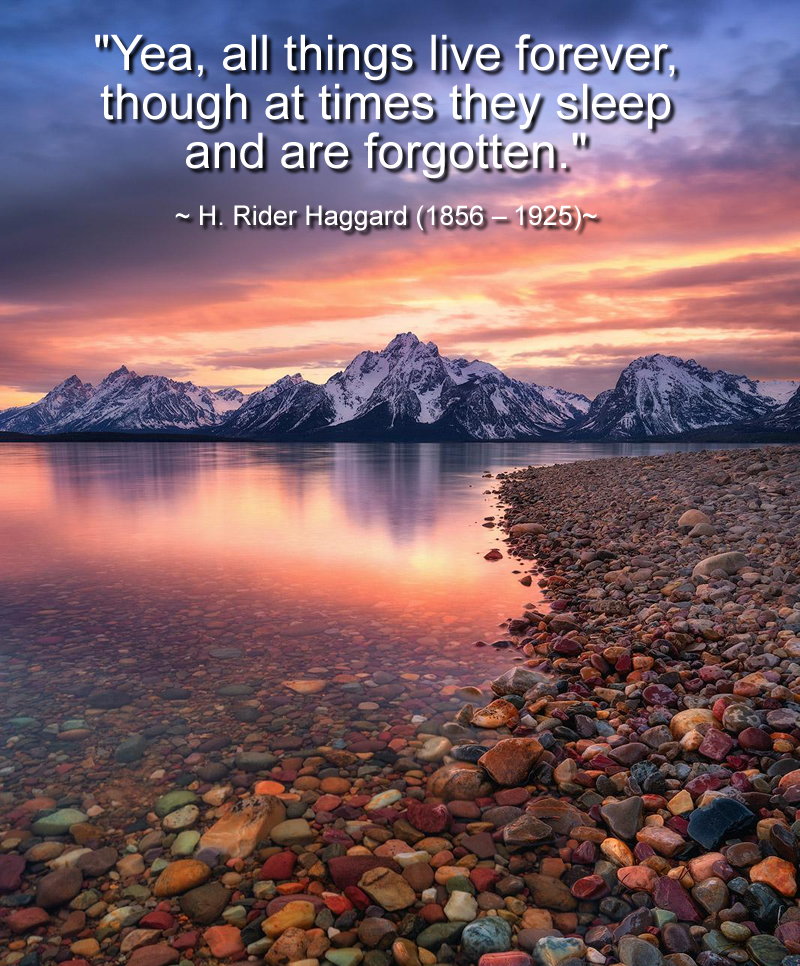 Sir Henry Rider Haggard (22 June 1856 – 14 May 1925) was an English writer of adventure fiction set in exotic locations, predominantly Africa, and a pioneer of the lost world literary genre
| Occupation | Novelist, scholar |
|---|---|
| Nationality | British |
| Period | 19th & 20th century |
| Genre | Adventure, fantasy, fables, romance, sci-fi, historical |
| Subject | Africa |
| Notable works | King Solomon’s Mines, Allan Quatermain series, She: A History of Adventure |
Republished by Blog Post Promoter
 Milan Kundera (born 1 April 1929) is a Czech-born writer who went into exile in France in 1975, and became a naturalized French citizen in 1981.
Kundera’s most famous work, The Unbearable Lightness of Being, was published in 1984. The book chronicles the fragile nature of an individual’s fate, theorizing that a single lifetime is insignificant in the scope of Nietzsche’s concept of eternal return. In an infinite universe, everything is guaranteed to recur infinitely. In 1988, American director Philip Kaufman released a film adaptation.
Prior to the Velvet Revolution of 1989 the Communist régime in Czechoslovakia banned his books. He lives virtually incognito and rarely speaks to the media. A perennial contender for the Nobel Prize in Literature, he has been nominated on several occasions
Republished by Blog Post Promoter
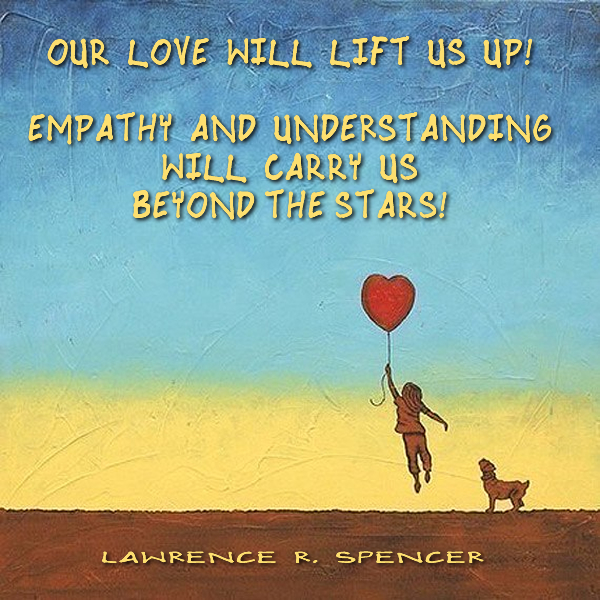
OUR LOVE WILL LIFT US UP!
EMPATHY AND UNDERSTANDING WILL CARRY US BEYOND THE STARS!