Republished by Blog Post Promoter
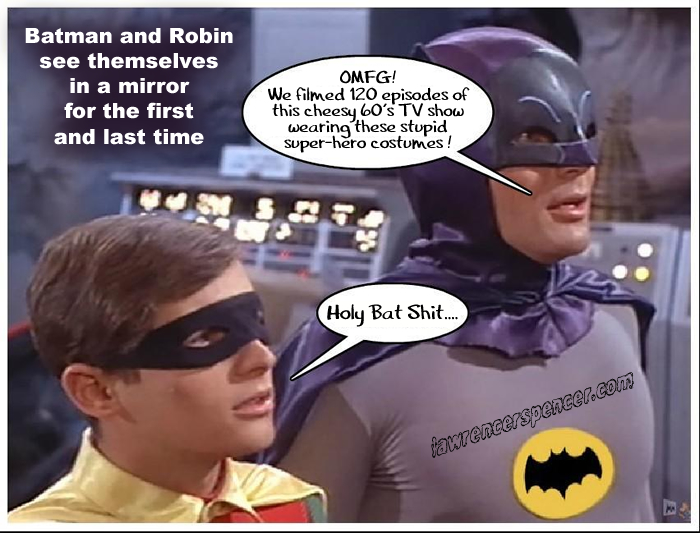
EPIPHANY:
a sudden, intuitive perception of or insight into the reality or essential meaning of something, usually initiated by some simple, homely, or commonplace occurrence or experience.

Poetry by Lawrence R. Spencer. Poetic nonsense by Lawrence R. Spencer and others. Haiku poems by Lawrence R. Spencer.
Republished by Blog Post Promoter
Republished by Blog Post Promoter
Do you ever feel like humans are pre-programmed automatons? Do you wish you could let yourself be who you know you really are in your heart?

Republished by Blog Post Promoter
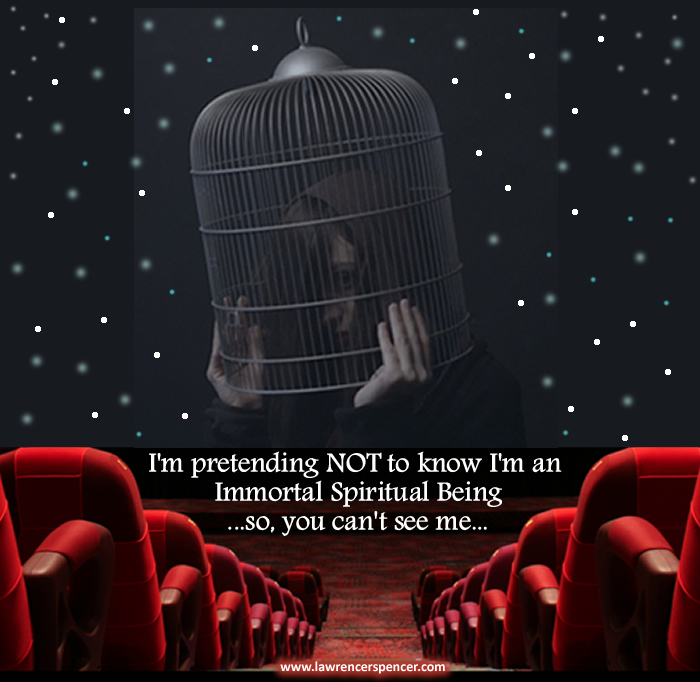
“The closest concept that human beings have to describe an IS-BE (Immortal Spiritual Being) is as a god: all-knowing, all-powerful, infinite. So, how does a god stop being a god? They pretend NOT to know. How can you play a game of “hide and seek” if you always know where the other person is hiding?
You pretend NOT to know where the other players are hiding, so you can go off to “seek” them. This is how games are created. You have forgotten that you are just “pretending”. In so doing, IS-BEs become entrapped and enslaved inside a maze of their own devising.
How does one create a cage, lock one’s own self inside the cage, throw away the key, and forget there is a key or a cage, and forget there is an “inside” or “outside”, and even forget there is a self? Create the illusion that there is no illusion: the entire universe is real, and that no other universe exists or can be created.” — excerpt from the book ALIEN INTERVIEW, edited by Lawrence R. Spencer
Republished by Blog Post Promoter

AVOID BEINGS WHO CANNOT LOVE
LOVE BEINGS WHO LOVE
LOVE UNCONDITIONALLY
— lawrence r. spencer —
Republished by Blog Post Promoter