Republished by Blog Post Promoter
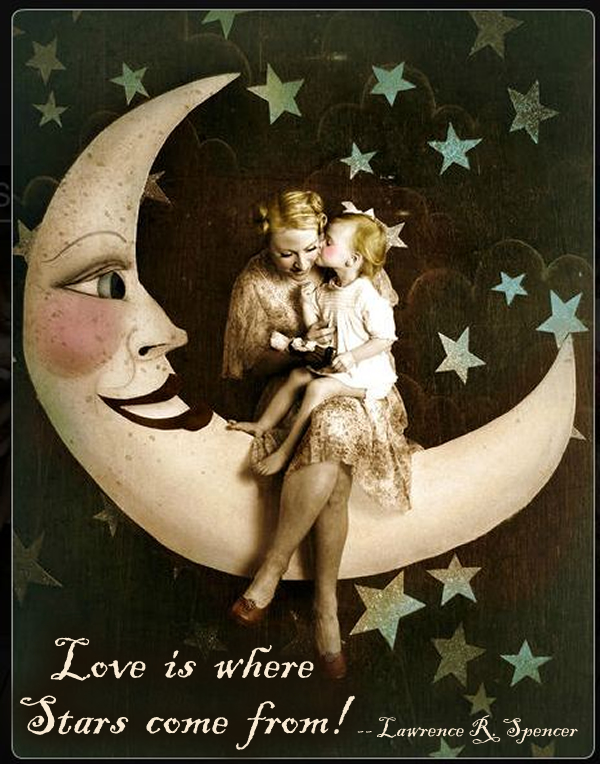
Photo by Darla Teagarden

Poetry by Lawrence R. Spencer. Poetic nonsense by Lawrence R. Spencer and others. Haiku poems by Lawrence R. Spencer.
Republished by Blog Post Promoter
Republished by Blog Post Promoter
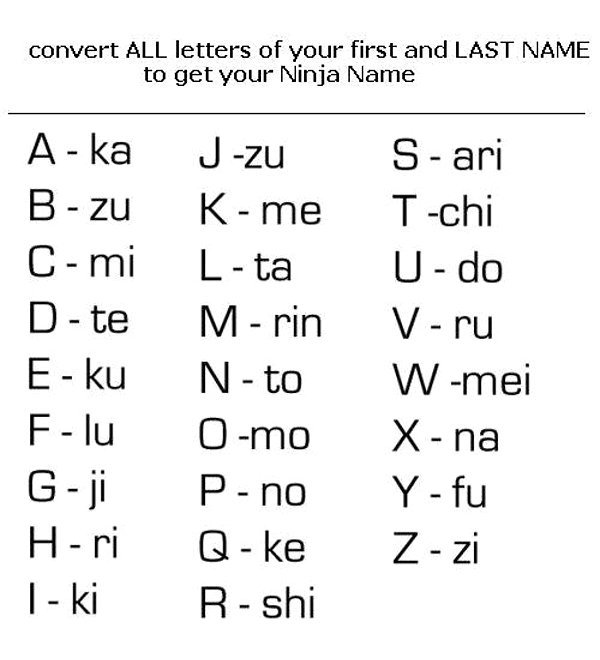
(now, you have 3 seconds to pronounce it correctly or you will die for disgracing the honor of my name!)


Republished by Blog Post Promoter

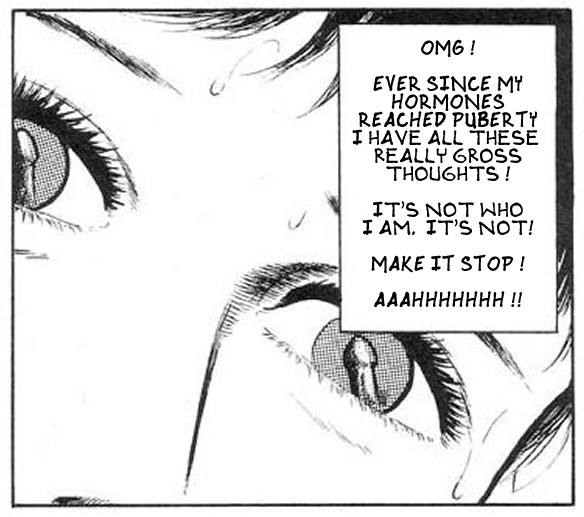
“An Atomic Bomb is to the Macrocosm what the ‘Birth Bomb’ is to the Microcosm. Fusion of sexual reproduction is ignited by a chemical stimulant that triggers a chain reaction of cellular division, replication and programmed growth of an organism capable of being occupied, animated, or endowed with Life, and operated by a spiritual entity. — from The 423rd Standard Edition of The Mortality Mechanic’s Maintenance Manual, Chapter 326.78, Bipedal Biological Replication, Section 42, Paragraph 17, Item 30. Published by Mortality Mechanic’s Collective Press, Chaldaron II, Galaxy Prime Ninety-Two. Reprint Rights Reserved Upon Pain of Death by Decree of The Principle Magistrate of Mortality Maintenance, His Haughty Magnificence, Lord Flemmon-Arth-Mordus III.“
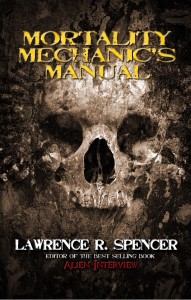
Excerpt from the new book by Lawrence R. Spencer, MORTALITY MECHANIC’S MANUAL
Republished by Blog Post Promoter
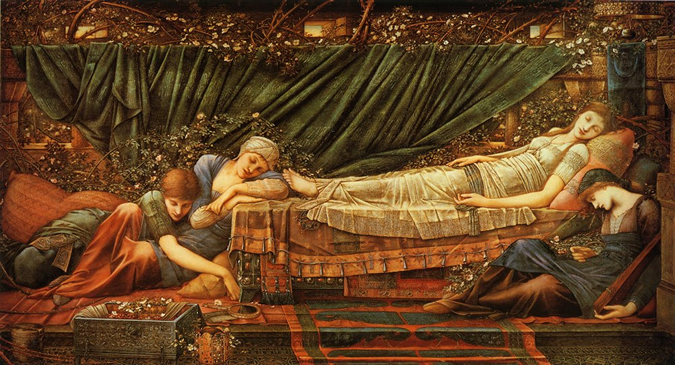
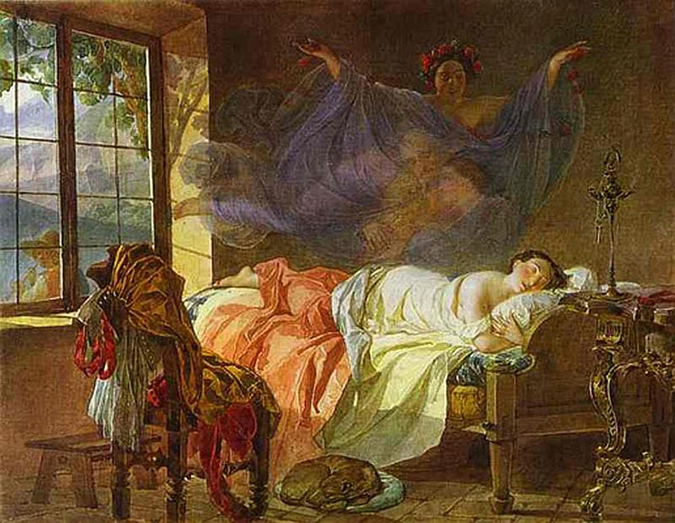
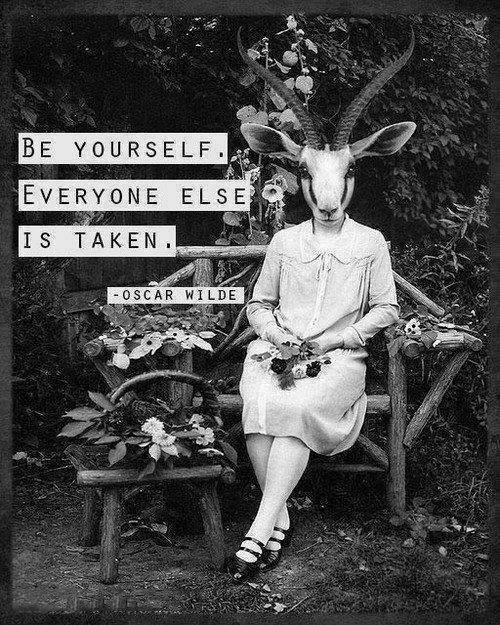 (Image From Curated Quotes)
“The truth is rarely pure and never simple.”
― Oscar Wilde, The Importance of Being Earnest
“Yes: I am a dreamer. For a dreamer is one who can only find his way by moonlight, and his punishment is that he sees the dawn before the rest of the world.”
― Oscar Wilde, The Critic as Artist
“Never love anyone who treats you like you’re ordinary.”
― Oscar Wilde
“Who, being loved, is poor?”
― Oscar Wilde
“I don’t want to be at the mercy of my emotions. I want to use them, to enjoy them, and to dominate them.”
― Oscar Wilde, The Picture of Dorian Gray
“Whenever people agree with me I always feel I must be wrong.”
― Oscar Wilde
————————————————————–
Oscar Fingal O’Flahertie Wills Wilde (16 October 1854 – 30 November 1900) was an Irish writer and poet. After writing in different forms throughout the 1880s, he became one of London’s most popular playwrights in the early 1890s. Today he is remembered for his epigrams, his only novel (The Picture of Dorian Gray), as well as his plays.