Republished by Blog Post Promoter

Paintings, photography, aesthetic objects, beautiful communication, and anything I consider to be art, artful, artistic, artsy or whatever.
Art is subjective. It is a quality of communication can be contributed to by the viewer through empathy or agreement with its creator.
Republished by Blog Post Promoter
Republished by Blog Post Promoter
Republished by Blog Post Promoter
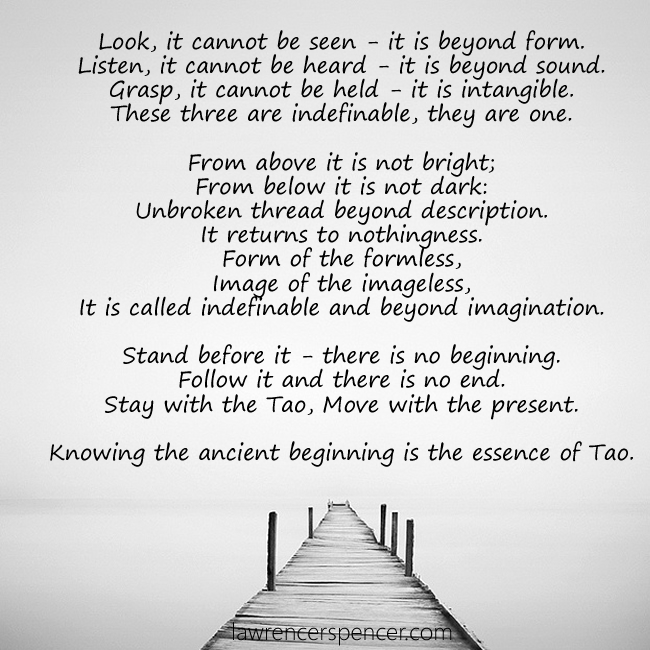
The Tao Te Ching, Daodejing, or Dao De Jing (道德經: 道 dào “way”; 德 dé “virtue”; 經 jīng “classic” or “text”) is simply referred to as the Laozi. According to tradition, it was written around 6th century BC by the sage Laozi (or Lao Tzu, “Old Master”), a record-keeper at the Zhou Dynasty court, by whose name the text is known in China. The text’s true authorship and date of composition or compilation are still debated, although the oldest excavated text dates back to the late 4th century BC.
Many different translations, versions and interpretations of The Tao have been produced through the past 2,500 years, or so, since the original appearance. Like any “religion”, the “opinions” and “interpretations” of “priests” MODIFY and INTRODUCE FASLE IDEAS into the original. Therefore, I suggest that anyone who wished to sincerely study The Tao as a Body of Wisdom, study many difference translations in order to DECIDE FOR YOURSELF what is “true” or not.
Republished by Blog Post Promoter
The Greatest Performance of The Greatest Musical Masterpiece written by Ludwig van Beethoven — 17 December 1770 – 26 March 1827) was a German composer and pianist.

Text of the fourth movement of Beethoven’s 9th Symphony is largely taken from Schiller’s “Ode to Joy“, with a few additional introductory words written specifically by Beethoven (shown in italics). The text without repeats is shown below, with a literal translation into English:
|
|
|
|
|
|
|
|
|
|
|
|
Republished by Blog Post Promoter
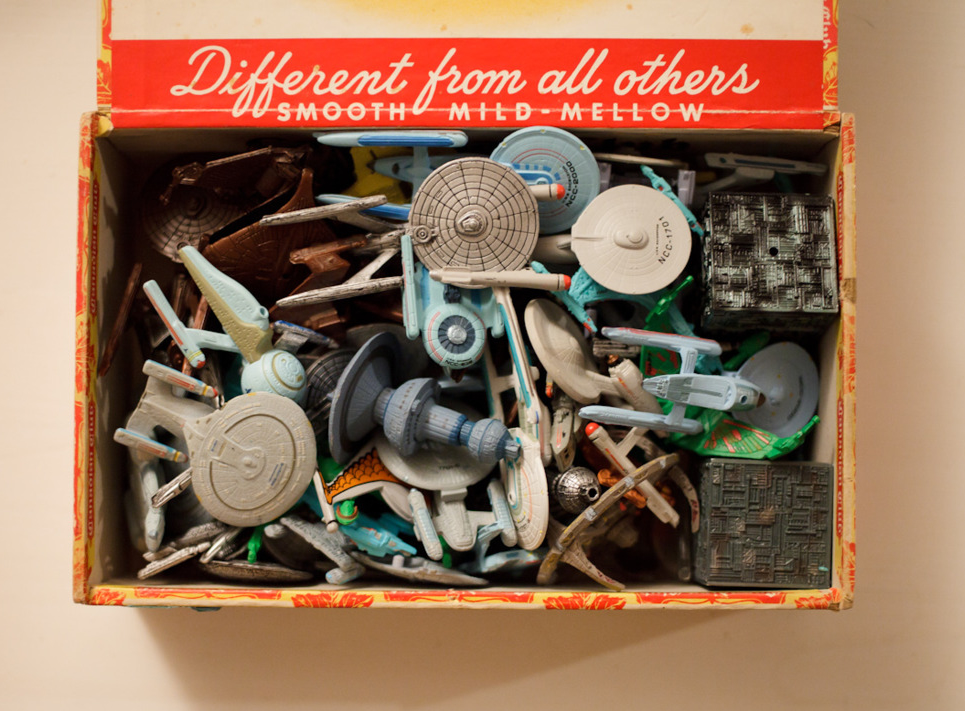
What Star Trek Geek doesn’t have a box of space ship models and Borg Cubes in an old cigar box?