Republished by Blog Post Promoter


Paintings, photography, aesthetic objects, beautiful communication, and anything I consider to be art, artful, artistic, artsy or whatever.
Art is subjective. It is a quality of communication can be contributed to by the viewer through empathy or agreement with its creator.
Republished by Blog Post Promoter
Republished by Blog Post Promoter
Mankind is only one SPECIES of life on Earth. According the leading “scientific authorities”: ...the “estimated total number of species on Earth is 6.5 million species found on land, and 2.2 million (about 25 percent of the total) dwelling in the ocean depths. However, a study, published by PLoS Biology, says a staggering 86% of all species on land and 91% of those in the seas have yet to be discovered, described and cataloged.”
If we do the math, we learn that 8.7 million is roughly 80% – 90% of ONE HUNDRED MILLION species on this planet. That’s a LOT of life! How many even MORE bizarre life forms are as yet undiscovered? And how many more might there be living throughout the rest of our own galaxy? (I won’t mention the whole universe….).
Many more imagined creatures are described in science fiction stories on other planets and galaxies. But, very few of these fictional “monstrosities” are as strange and bizarre at the real creatures that inhabit the microcosm on our own planet. Here are pictures of a few common insects viewed with the aid of an electron microscope. It is a challenge to imagine creatures more bizarre than these!



Republished by Blog Post Promoter
Republished by Blog Post Promoter
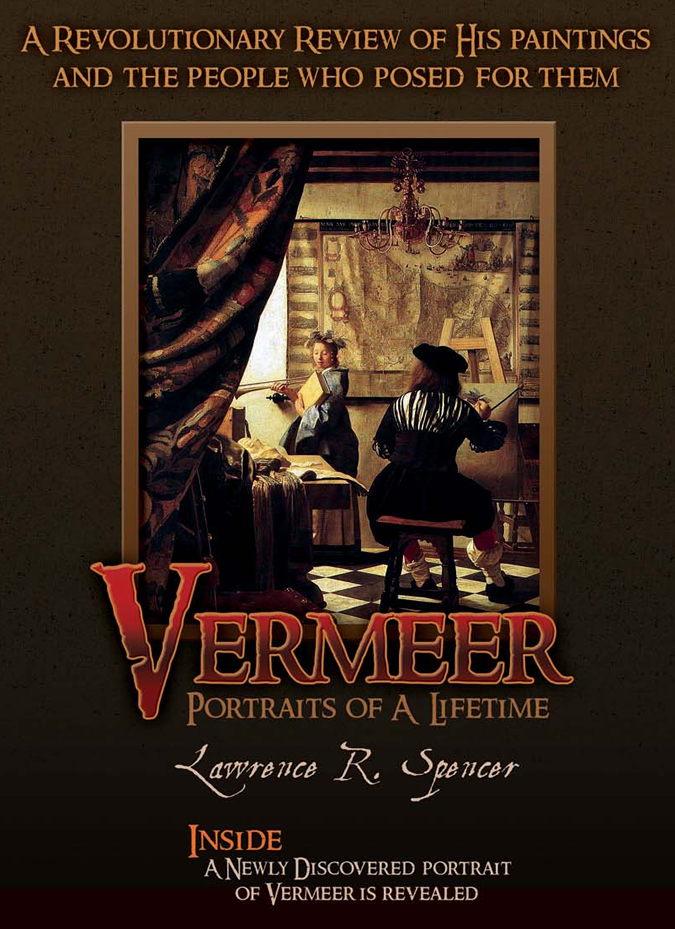
Download VERMEER: PORTRAITS OF A LIFETIME (AudioBook) http://www.audible.com/pd/ref=sr_1_2?asin=B009NVX2PM&qid=1355950962&sr=1-2
Republished by Blog Post Promoter
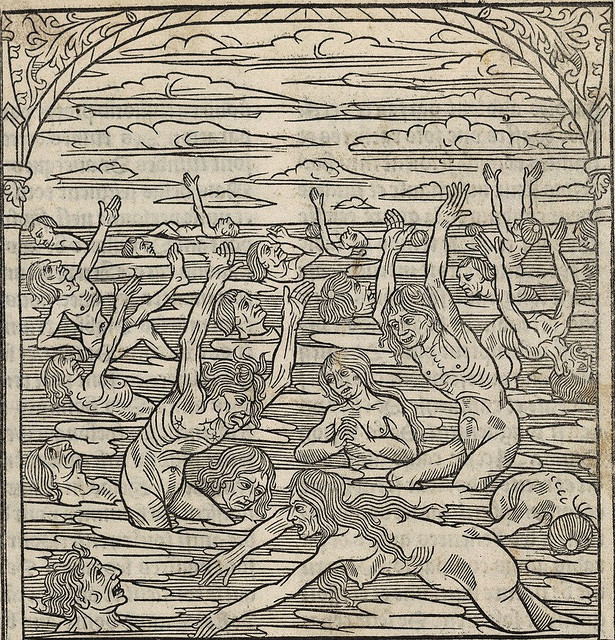
Published/ Created in Paris, for André Bocard, 12 Feb. 1453. The Ars Moriendi, or “art of dying,” is a body of Christian literature that provided practical guidance for the dying and those attending them. These manuals informed the dying about what to expect, and prescribed prayers, actions, and attitudes that would lead to a “good death”.