Republished by Blog Post Promoter
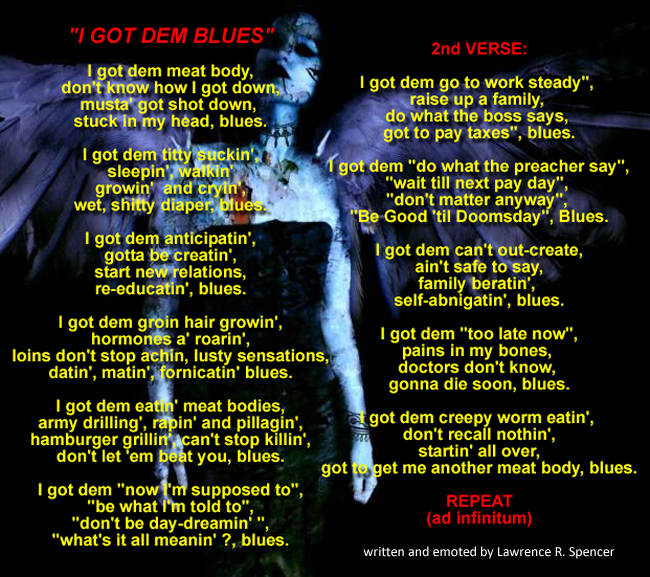

Paintings, photography, aesthetic objects, beautiful communication, and anything I consider to be art, artful, artistic, artsy or whatever.
Art is subjective. It is a quality of communication can be contributed to by the viewer through empathy or agreement with its creator.
Republished by Blog Post Promoter
Republished by Blog Post Promoter
Three artists whom I admire more than most are Stanley Kubrick, Gustav Klimt and Michael Parkes. Art, like every other opinion about Life, Universes and Other Stuff is a personal opinion. Since I write a Blog, I express my personal opinions here. You may not agree with me, but you may also have affection for the work of these artists.
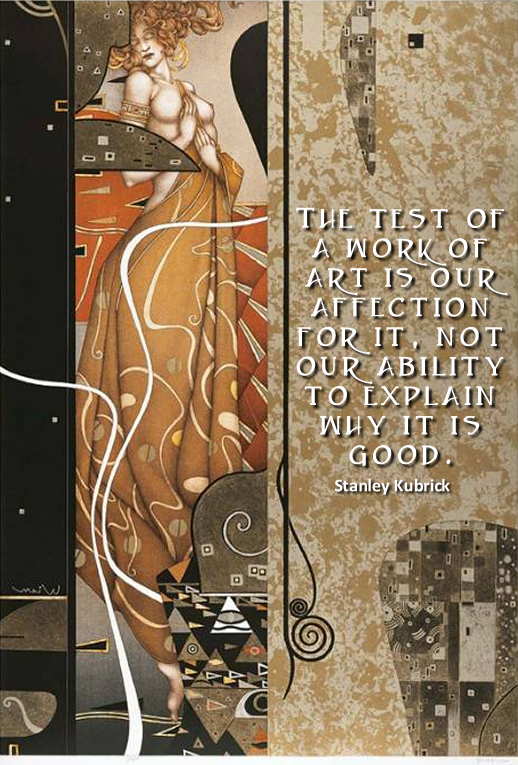 “Wien”, (above) is a Stone Lithograph by Michael Parkes (born in 1944) is an American-born artist living in Spain who is best known for work in the areas of fantasy art and magic realism. (Visit the website for Michael Parkes here: http://www.theworldofmichaelparkes.com/cm/Home.html
“( Gustav Klimt) most definitely he has, along with the entire Viennese Secessionist movement, influenced my work. If my spirit is based in the Renaissance, my heart is based in the designs of the Viennese at the turn of the 19th century”. — Michael Parkes, 2013. Gustav Klimt (July 14, 1862 – February 6, 1918) who was an Austrian symbolist painter and one of the most prominent members of the Vienna Secession movement.
Stanley Kubrick (July 26, 1928 – March 7, 1999) was an American film director, screenwriter, producer and cinematographer.
See Stanley Kubricks filmography here: http://www.imdb.com/name/nm0000040/
Republished by Blog Post Promoter
A UNIVERSE OF THOUGHT
THE SPIRIT AS ART
YOURSELF AS GOD
REMEMBER
KNOW
BE
~ Lawrence R. Spencer. 2019 ~
Republished by Blog Post Promoter
This video is a scene from The Twilight Zone episode “The Obsolete Man“. It is a commentary on how governments destroy the individual, independent intelligence of writers, and other “revolutionaries” who are a huge percentage of the population of Prison Planet Earth.
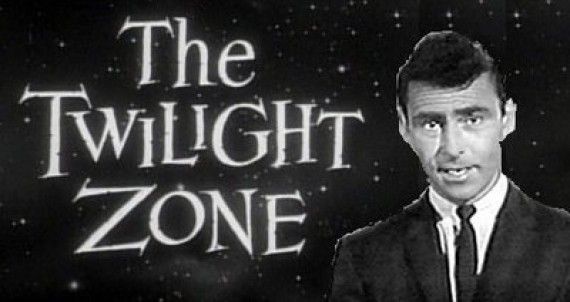 “There is a fifth dimension beyond that which is known to man. It is a dimension as vast as space and as timeless as infinity. It is the middle ground between light and shadow, between science and superstition, and it lies between the pit of man’s fears and the summit of his knowledge. This is the dimension of imagination. It is an area which we call the Twilight Zone.” ~ Rod Serling (December 25, 1924 – June 28, 1975)
Rod Serling (creator of the 1960’s Sci-Fi TV series “The Twilight Zone“) was a fan of pulp fiction stories. As an adult, he sought topics with themes such as racism, government, war, society, and human nature in general. Serling decided to combine these two interests as a way to broach these subjects on television at a time when such issues were not commonly addressed.
Serling was active in politics, both on and off the screen, and helped form television industry standards. He was known as the “angry young man” of Hollywood, clashing with television executives and sponsors over a wide range of issues including censorship, racism, and war.
Throughout the 1950s, Serling established himself as one of the most popular names in television. He was as famous for writing televised drama as he was for criticizing the medium’s limitations. His most vocal complaints concerned censorship, which was frequently practiced by sponsors and networks.
“I was not permitted to have my senators discuss any current or pressing problem,” he said of his 1957 production ‘The Arena’, intended to be an involving look into contemporary politics. To talk of tariff was to align oneself with the Republicans; to talk of labor was to suggest control by the Democrats. To say a single thing germane to the current political scene was absolutely prohibited.”
The Twilight Zone ’s writers frequently used science fiction as a vehicle for social comment, as networks and sponsors who censored controversial material from live dramas were less concerned with seemingly innocuous fantasy and sci-fi stories. Frequent themes on The Twilight Zone included nuclear war, McCarthyism, and mass hysteria, subjects that were avoided on more serious primetime television. Aside from Rod Serling, who wrote or adapted nearly two-thirds of the series’ total episodes, writers for The Twilight Zone included leading authors such as Charles Beaumont, Ray Bradbury, Earl Hamner, Jr., George Clayton Johnson, Richard Matheson, Reginald Rose, and Jerry Sohl. Many episodes also featured new adaptations of classic stories by such writers as Ambrose Bierce, Jerome Bixby, Damon Knight, John Collier, and Lewis Padgett.
Republished by Blog Post Promoter
https://tuinderlusten-jheronimusbosch.ntr.nl/en#
CLICK THE LINK ABOVE TO TAKE A GUIDED VISUAL AND VERBAL TOUR OF ONE OF THE MOST ENIGMATIC PAINTINGS IN HISTORY
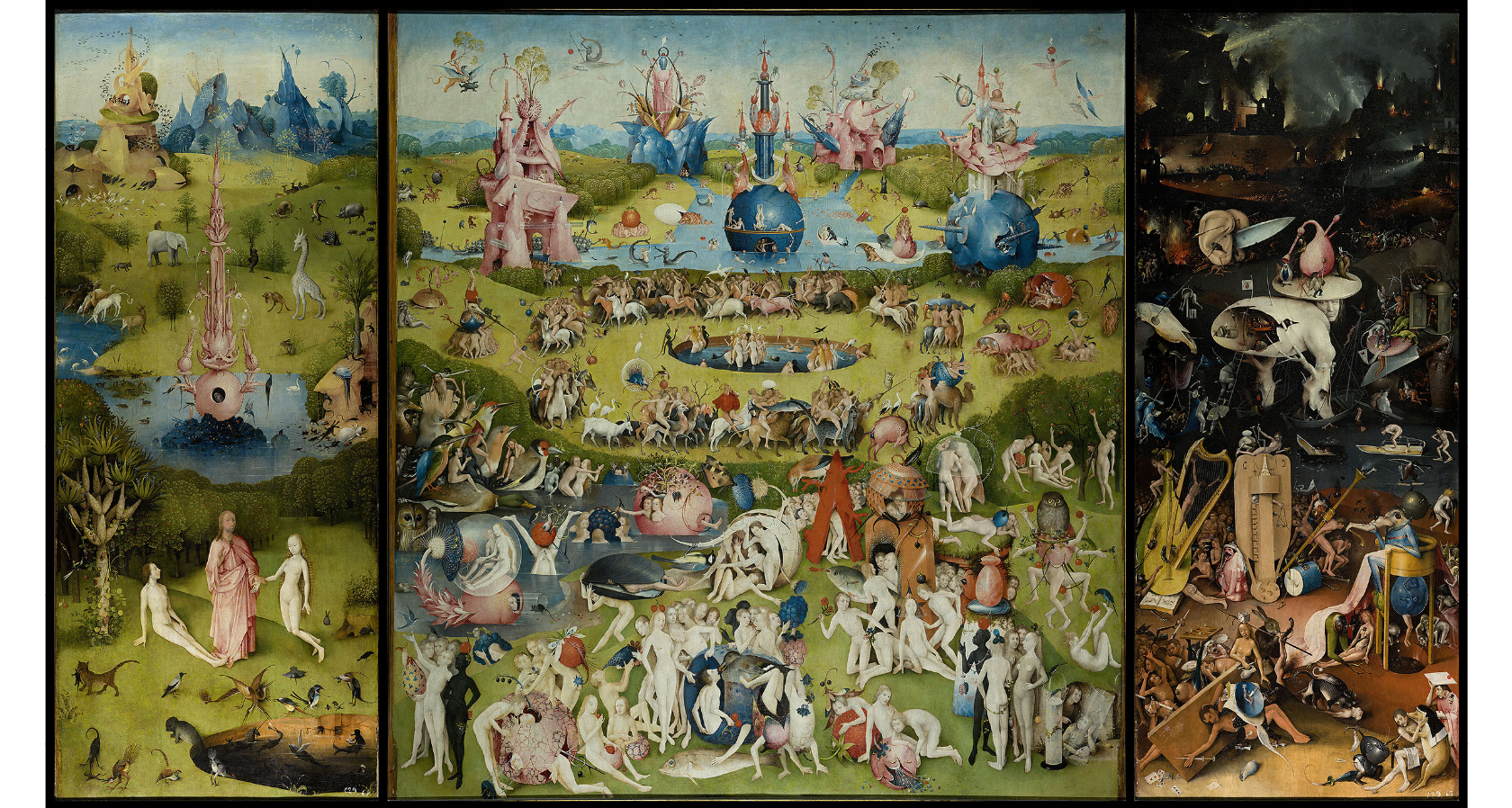 Hieronymus Bosch (/ˌhaɪ.əˈrɒnᵻməs ˈbɒʃ/;[ born Jheronimus van Aken [jeːˈroːnimɵs fɑn ˈaːkə(n)]; c. 1450 – 9 August 1516) was an Early Netherlandish painter. His work is known for its fantastic imagery, detailed landscapes, and illustrations of religious concepts and narratives. Within his lifetime his work was collected in the Netherlands, Austria, and Spain, and widely copied, especially his macabre and nightmarish depictions of hell.
Little is known of Bosch’s life, though there are some records. He spent most of it in the town of ‘s-Hertogenbosch, where he was born in his grandfather’s house. The roots of his forefathers are in Nijmegen and Aachen (which is visible in his surname: Van Aken). His pessimistic and fantastical style cast a wide influence on northern art of the 16th century, with Pieter Bruegel the Elder being his best known follower. His paintings have been difficult to translate from a modern point of view; attempts to associate instances of modern sexual imagery with fringe sects or the occult have largely failed. Today he is seen as a hugely individualistic painter with deep insight into humanity’s desires and deepest fears. Attribution has been especially difficult; today only about 25 paintings are confidently given to his hand along with 8 drawings. Approximately another half dozen paintings are confidently attributed to his workshop. His most acclaimed works consist of a few triptych altarpieces, the most outstanding of which is The Garden of Earthly Delights.
— Wikipedia.org
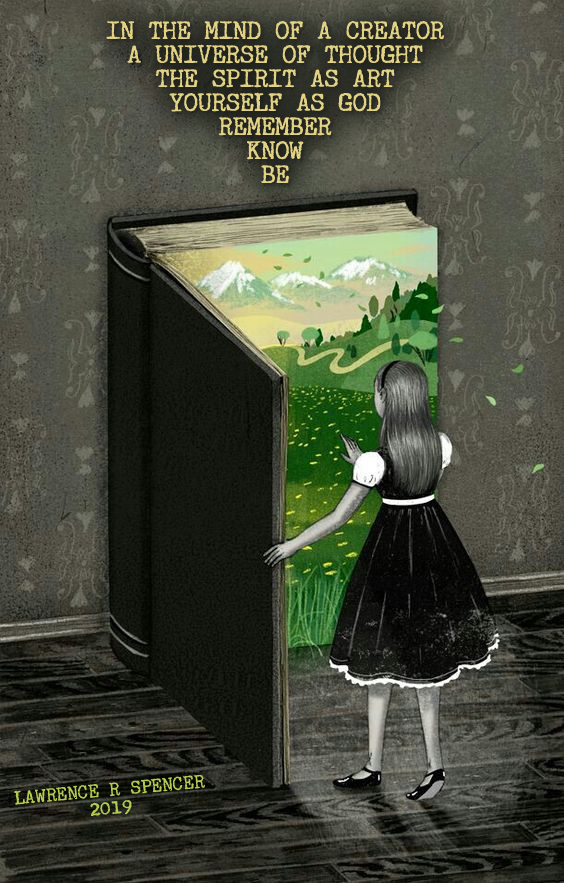 IN THE MIND OF A CREATOR