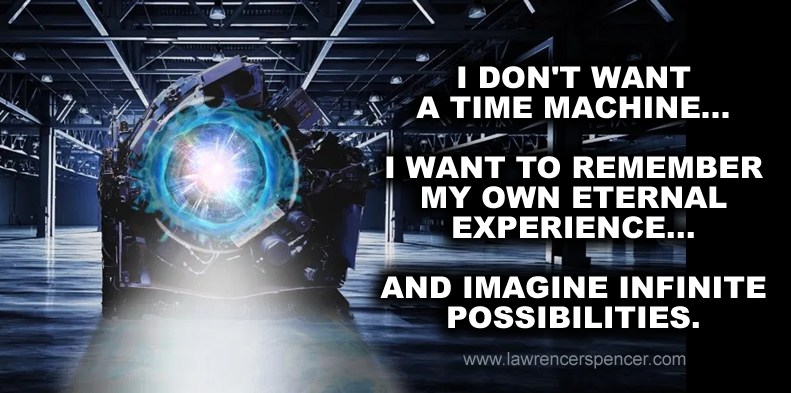
FREE ADVICE, ORDER OF OMEGA TIME TRAVEL CULT, PICTURE POEMS, POETIC NONSENSE, READING MATTER NO TIME MACHINE Image March 7, 2025 LRS Republished by Blog Post Promoter
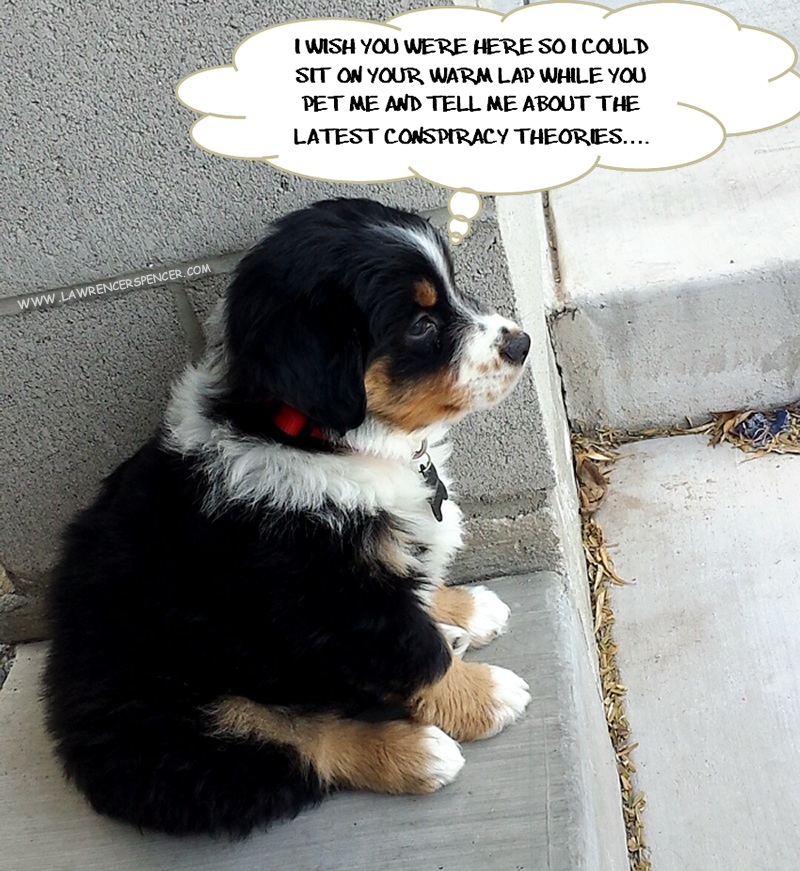
ART, FREE ADVICE, LIVES, LOUD ZOO, POETIC NONSENSE WISH YOU WERE HERE Image February 26, 2025 LRS Republished by Blog Post Promoter
ART, FREE ADVICE, PICTURE POEMS, POETIC NONSENSE, READING MATTER PRISON GAMES Image January 30, 2025 LRS Republished by Blog Post PromoterThere are only two games to play when you’re in prison: 1) doing time 2) getting out. Where did you come from? Where are you now? Remember who you really are: Fly.
FREE ADVICE, READING MATTER STAY FOCUSED Image January 18, 2025 LRS Republished by Blog Post Promoter
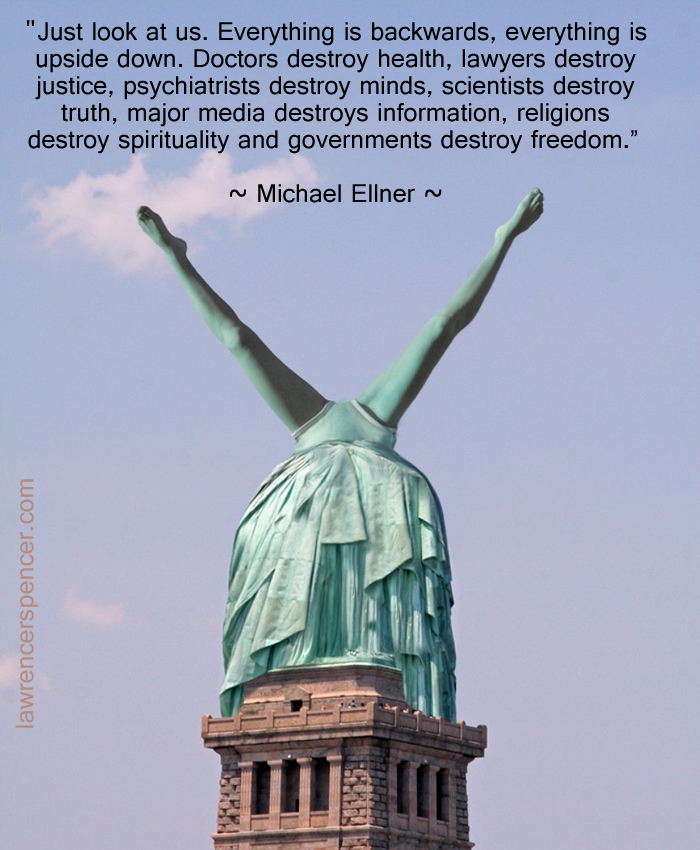
ART, BULLSHIT, FREE ADVICE, LIVES, LOUD ZOO, PICTURE POEMS, POETIC NONSENSE, READING MATTER UPSIDE DOWN Image December 9, 2024 LRS Republished by Blog Post Promoter


 There are only two games to play when you’re in prison: 1) doing time 2) getting out. Where did you come from? Where are you now? Remember who you really are: Fly.