Republished by Blog Post Promoter
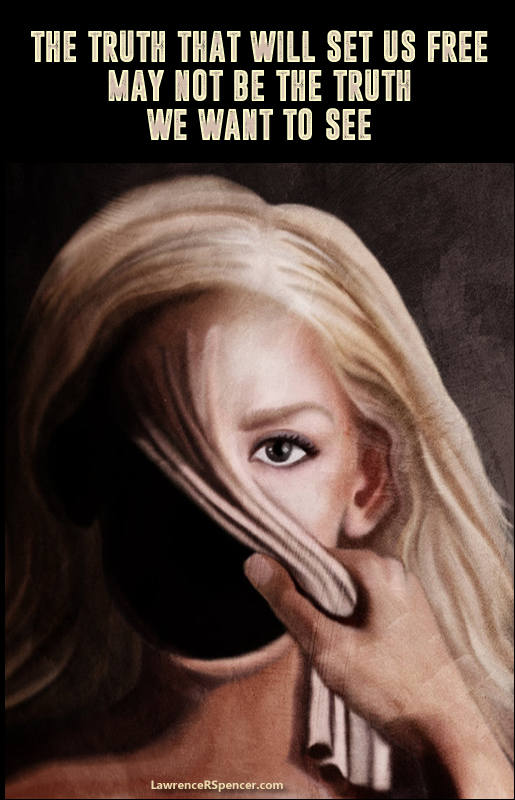 THE TRUTH THAT WILL SET US FREE
MAY NOT BE THE TRUTH WE WANT TO SEE
~ LRS 2015 ~

Republished by Blog Post Promoter
THE TRUTH THAT WILL SET US FREE
MAY NOT BE THE TRUTH WE WANT TO SEE
~ LRS 2015 ~
Republished by Blog Post Promoter
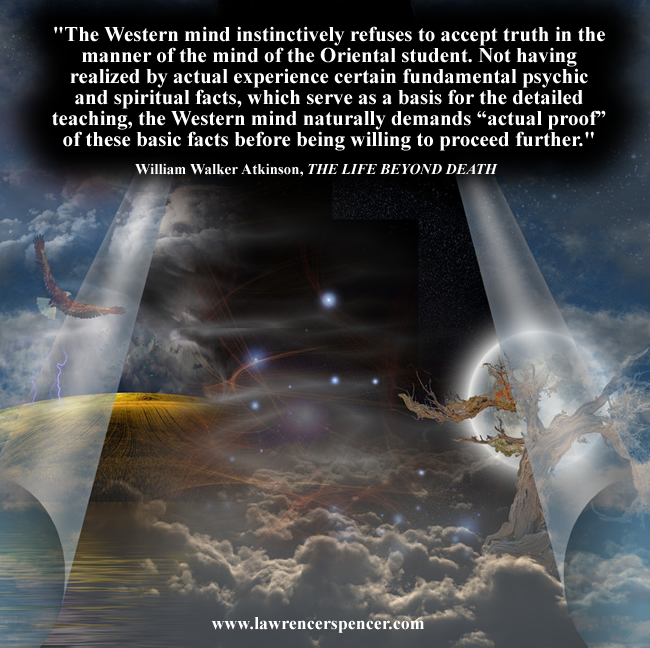
“The Oriental teacher never fails to wonder at the many evidences of the result of mere theory and dogmatic teaching on the part of the majority of the teachers and preachers of the Western world. These so‑called teachers are like the “blind leading the blind,” for they have no means of verifying their statements, and merely pass on what they have blindly received from others, who, in turn, have received their own instruction in the same way. In the Orient, on the contrary, one meets with so many persons of developed higher psychic and spiritual sense, to whom the phenomena of “the other side” is as familiar as is the phenomena of “this side,” that the “other side” seems as real and actual as does the ordinary environment of earth‑life.”
But, from the same reasons, the developed Oriental occultist finds himself confronted with a most perplexing, not to say discouraging task when he attempts to convey his knowledge on this subject to Western students. The Western mind instinctively refuses to accept truth in the manner of the mind of the Oriental student. Not having realized by actual experience certain fundamental psychic and spiritual facts, which serve as a basis for the detailed teaching, the Western mind naturally demands “actual proof” of these basic facts before being willing to proceed further. Inasmuch as these facts must first be experienced to be known, no amount of argument ever serves to bring that conviction of truth which should serve as the fundamental basis for the detailed teaching. Consequently by the Western student, the general basic statements of the teacher are accepted either purely on faith, or else regarded as mere guesses or speculation on the part of the teacher. And, as there are thousands of such guesses and speculative theories advanced in the Western world, the student may well be excused from refusing to accept any of them as truth, for, as he often argues, “one guess is as good as another.”
~ Atkinson, William Walker, THE LIFE BEYOND DEATH ~
Republished by Blog Post Promoter
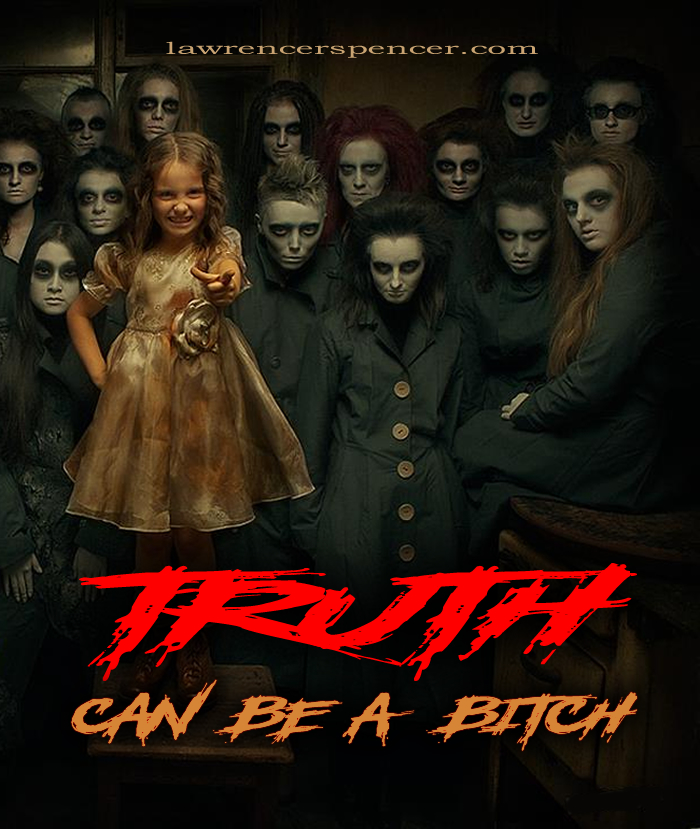 “Truth is neither alive nor dead; it just aggravates itself all the time.”
~ Mark Twain ~
Republished by Blog Post Promoter
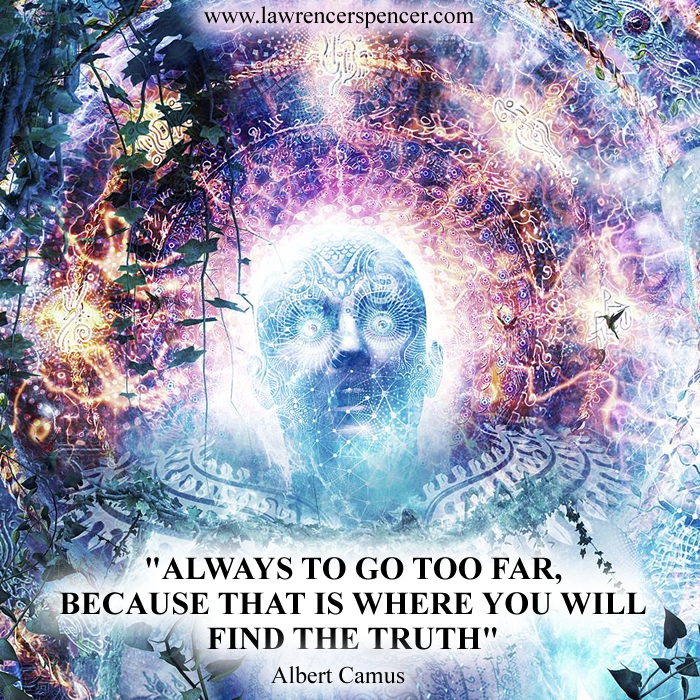
Albert Camus (1913 – 1960) was a French Nobel Prize winning author, journalist, and philosopher, described as the ″James Dean of philosophy″. Throughout his life, Camus spoke out against and actively opposed Totalitarianism in its many forms. Early on, Camus was active within the French Resistance to the German occupation of France during World War II, even directing the famous Resistance journal, Combat. On the French collaboration with Nazi occupiers he wrote: “Now the only moral value is courage, which is useful here for judging the puppets and chatterboxes who pretend to speak in the name of the people.”
Camus presents the reader with dualisms such as happiness and sadness, dark and light, life and death, etc. He emphasizes the fact that happiness is fleeting and that the human condition is one of mortality; for Camus, this is cause for a greater appreciation for life and happiness. In Le Mythe, dualism becomes a paradox: we value our own lives in spite of our mortality and in spite of the universe’s silence. While we can live with a dualism (I can accept periods of unhappiness, because I know I will also experience happiness to come), we cannot live with the paradox (I think my life is of great importance, but I also think it is meaningless). In Le Mythe, Camus investigates our experience of the Absurd and asks how we live with it. Our life must have meaning for us to value it. If we accept that life has no meaning and therefore no value, should we kill ourselves?
Republished by Blog Post Promoter
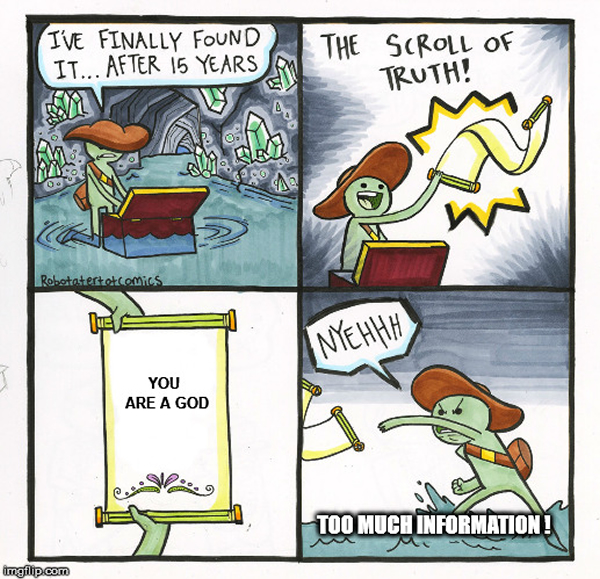 MEME [noun]
1. a cultural item that is transmitted by repetition and replication in a manner analogous to the biological transmission of genes.
2. a cultural item in the form of an image, video, phrase, etc., that is spread via the Internet and often altered in a creative or humorous way.
Etymology: 1976, introduced by evolutionary biologist Richard Dawkins in “The Selfish Gene,” coined by him from Greek sources, e.g. mimeisthai, “to imitate” (see mime), and intended to echo gene.