Republished by Blog Post Promoter
QUOTATION SOURCE: http://quoteinvestigator.com/2010/05/04/universe-einstein/
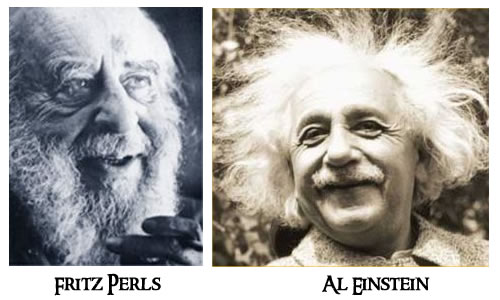

Universes are comprised of thoughts, ideas, dreams, illusions, delusions, which may also include stars, space, time, energy and objects. Or not. These are the universes of the author Lawrence R. Spencer, and others for whom he has an affinity.
Republished by Blog Post Promoter

QUOTATION SOURCE: http://quoteinvestigator.com/2010/05/04/universe-einstein/
Republished by Blog Post Promoter
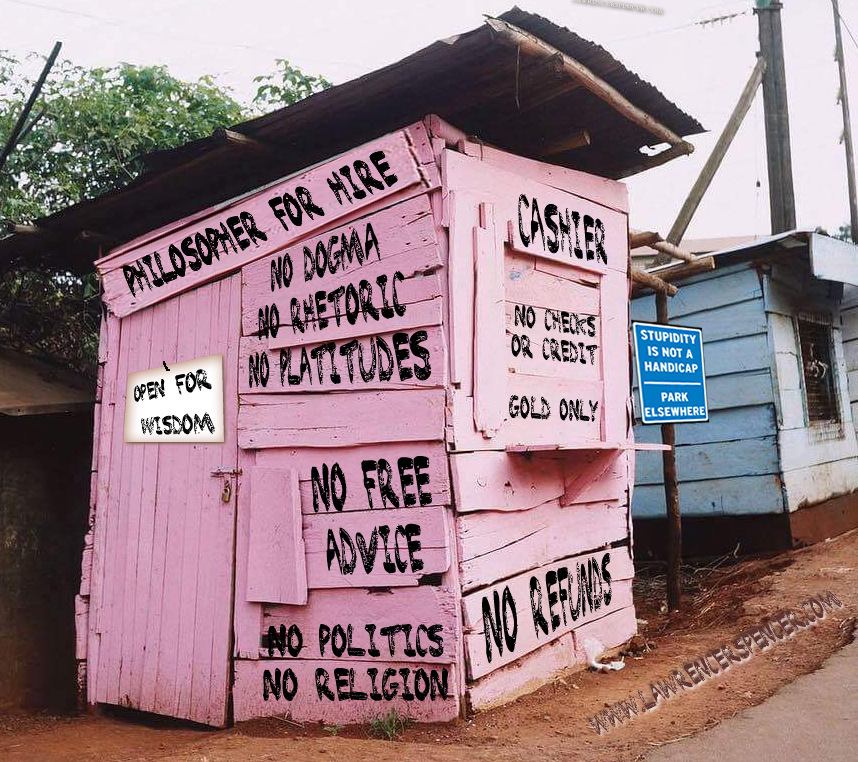 A philosopher is someone who practices philosophy, which involves rational inquiry into areas that are outside of either theological dogma or science. The term “philosopher” comes from the Ancient Greek φιλόσοφος (philosophos) meaning “lover of wisdom”. Its origination has been ascribed to the Greek thinker Pythagoras.
In the classical sense, a philosopher was someone who lived according to a certain way of life, focusing on resolving existential questions about the human condition, and not someone who discourses upon theories or comments upon authors. Typically, these particular brands of philosophy are Hellenistic ones and those who most arduously commit themselves to this lifestyle may be considered philosophers.
In a modern sense, a philosopher is an intellectual who has contributed in one or more branches of philosophy, such as aesthetics, ethics, epistemology, logic, metaphysics, social theory, and political philosophy. A philosopher may also be one who worked in the humanities or other sciences which have since split from philosophy proper over the centuries, such as the arts, history, economics, sociology, psychology, linguistics, anthropology, theology, and politics.
— Wikipedia
Republished by Blog Post Promoter
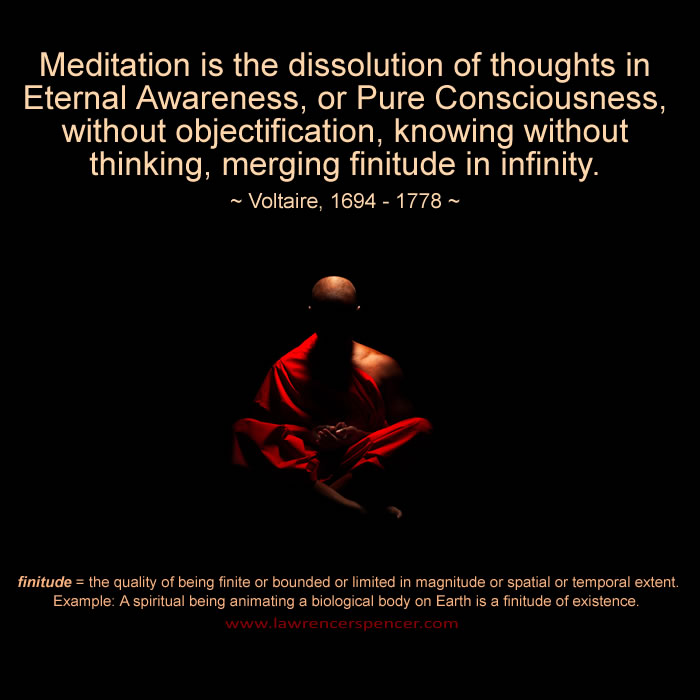
François-Marie Arouet (French) 21 November 1694 – 30 May 1778), known by his nom de plume Voltaire was a French Enlightenment writer, historian, and philosopher famous for his wit, his attacks on the established Catholic Church, and his advocacy of freedom of religion, freedom of expression, and separation of church and state. Voltaire was a versatile writer, producing works in almost every literary form, including plays, poems, novels, essays, and historical and scientific works. He wrote more than 20,000 letters and more than 2,000 books and pamphlets. He was an outspoken advocate, despite the risk this placed him in under the strict censorship laws of the time. As a satirical polemicist, he frequently made use of his works to criticize intolerance, religious dogma, and the French institutions of his day.
Republished by Blog Post Promoter
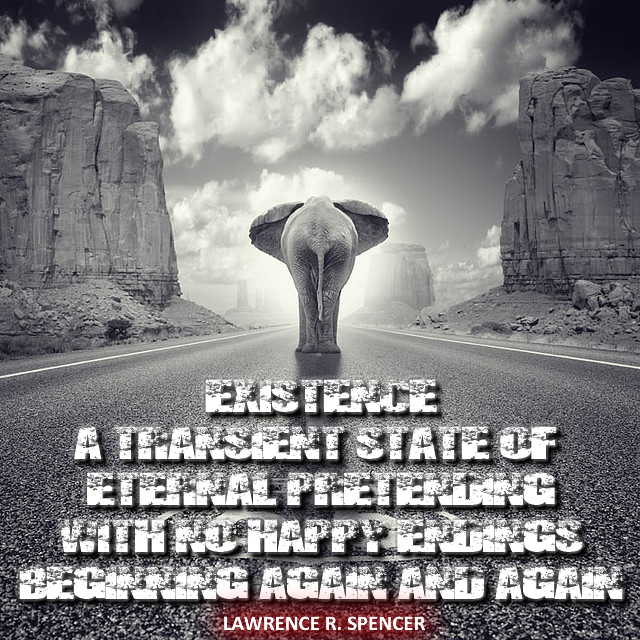
EXISTENCE:
A TRANSIENT STATE OF
ETERNAL PRETENDING
WITH NO HAPPY ENDINGS
BEGINNING AGAIN AND AGAIN
Republished by Blog Post Promoter

“What is this world? A complex whole, subject to endless revolutions. All these revolutions show a continual tendency to destruction; a swift succession of beings who follow one another, press forward, and vanish; a fleeting symmetry; the order of a moment. You judge of the continuous existence of the world, as an ephemeral insect might judge of yours. The world is eternal for you, as you are eternal to the being that lives but for one instant. Yet the insect is the more reasonable of the two. For what a prodigious succession of ephemeral generations attests your eternity! What an immeasurable tradition! Yet shall we all pass away, without the possibility of assigning either the real extension that we filled in space, or the precise time that we shall have endured. Time, matter, space—all, it may be, are no more than a point.”
Denis Diderot (5 October 1713 – 31 July 1784), Lettre sur les aveugles [Letter on the Blind] (1749)