
Republished by Blog Post Promoter
Category Archives: ART
Paintings, photography, aesthetic objects, beautiful communication, and anything I consider to be art, artful, artistic, artsy or whatever.
Art is subjective. It is a quality of communication can be contributed to by the viewer through empathy or agreement with its creator.
COMPASSION HURTS
Republished by Blog Post Promoter
 “Compassion hurts.
When you feel connected to everything, you also feel responsible for everything. And you cannot turn away. Your destiny is bound with the destinies of others.
You must either learn to carry the universe or be crushed by it. You must grow strong enough to love the world, yet empty enough to sit down at the same table with its worst horrors.”
— Andrew Boyd —
Daily Afflictions: The agony of being connected to everything in the universe.
READ THE BOOK: http://www.amazon.com/exec/obidos/ASIN/0393322815/qid=1006662488/ref=sr_11_0_1/104-0097384-0675166
VISIT THE WEBSITE: http://www.dailyafflictions.com/visitvoid.html
AFTER NIETZSCHE
Republished by Blog Post Promoter

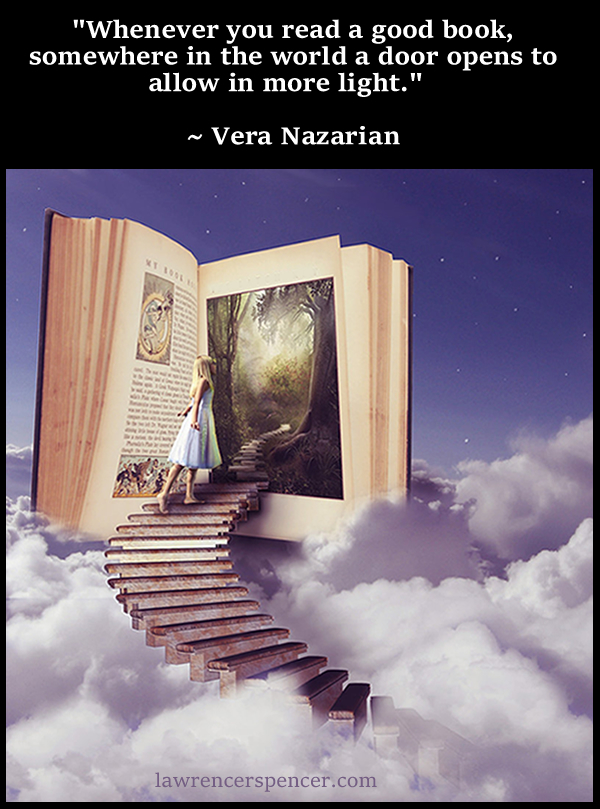
OPEN A DOOR
Republished by Blog Post Promoter
SERENE HAIKU
Republished by Blog Post Promoter
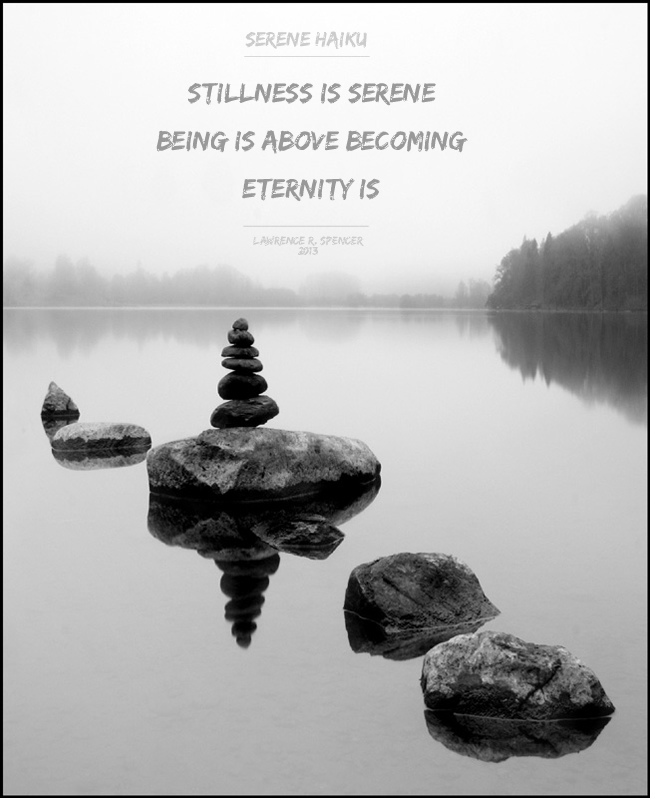
haiku, unrhymed Japanese poetic form consisting of 17 syllables arranged in three lines of 5, 7, and 5 syllables respectively. The term haiku is derived from the first element of the word haikai (a humorous form of renga, or linked-verse poem) and the second element of the word hokku (the initial stanza of a renga). The hokku, which set the tone of a renga, had to mention in its three lines such subjects as the season, time of day, and the dominant features of the landscape, making it almost an independent poem. The hokku (often interchangeably called haikai) became known as the haiku late in the 19th century, when it was entirely divested of its original function of opening a sequence of verse; today even the earlier hokku are usually called haiku.
Originally, the haiku form was restricted in subject matter to an objective description of nature suggestive of one of the seasons, evoking a definite, though unstated, emotional response. The form gained distinction in the 17th century, during the Tokugawa period, when the great master Bashō elevated the hokku, as it was then known, to a highly refined and conscious art. Haiku has since remained the most popular form in Japanese poetry.