Republished by Blog Post Promoter
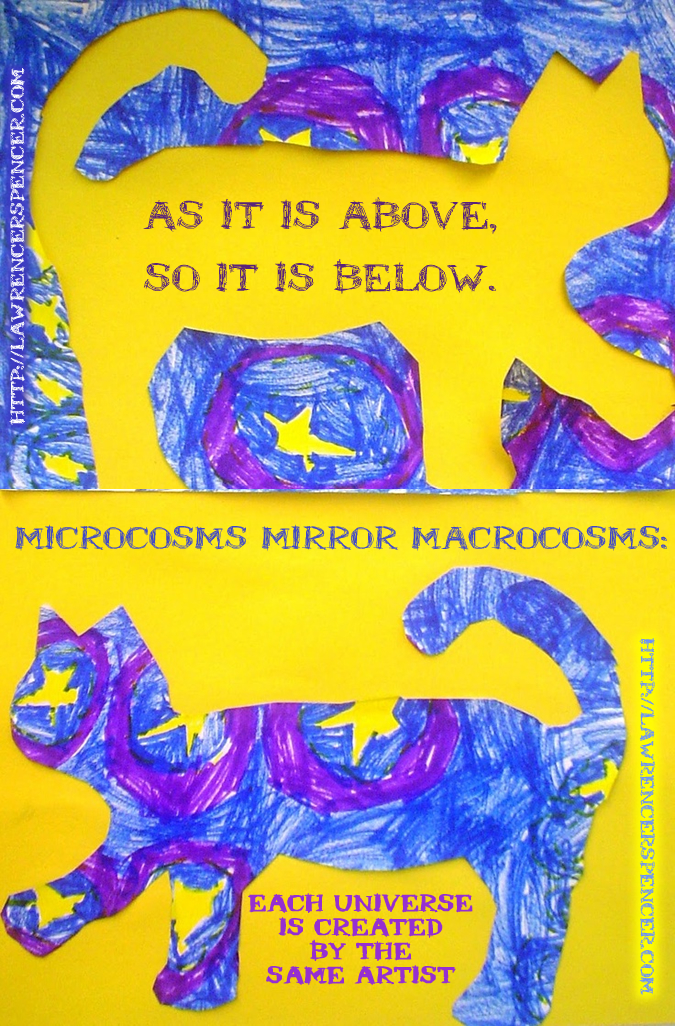
As it is above, so it is below.
Microcosms Mirror Macrocosms:
Each Universe is created by The Same Artist.
~ Lawrence R. Spencer. 2015 ~

Universes are comprised of thoughts, ideas, dreams, illusions, delusions, which may also include stars, space, time, energy and objects. Or not. These are the universes of the author Lawrence R. Spencer, and others for whom he has an affinity.
Republished by Blog Post Promoter
As it is above, so it is below.
Microcosms Mirror Macrocosms:
Each Universe is created by The Same Artist.
~ Lawrence R. Spencer. 2015 ~
Republished by Blog Post Promoter
Running water in the Mountains is Soothing, Serene and Hydro Therapeutic….. aaahhhhh…..

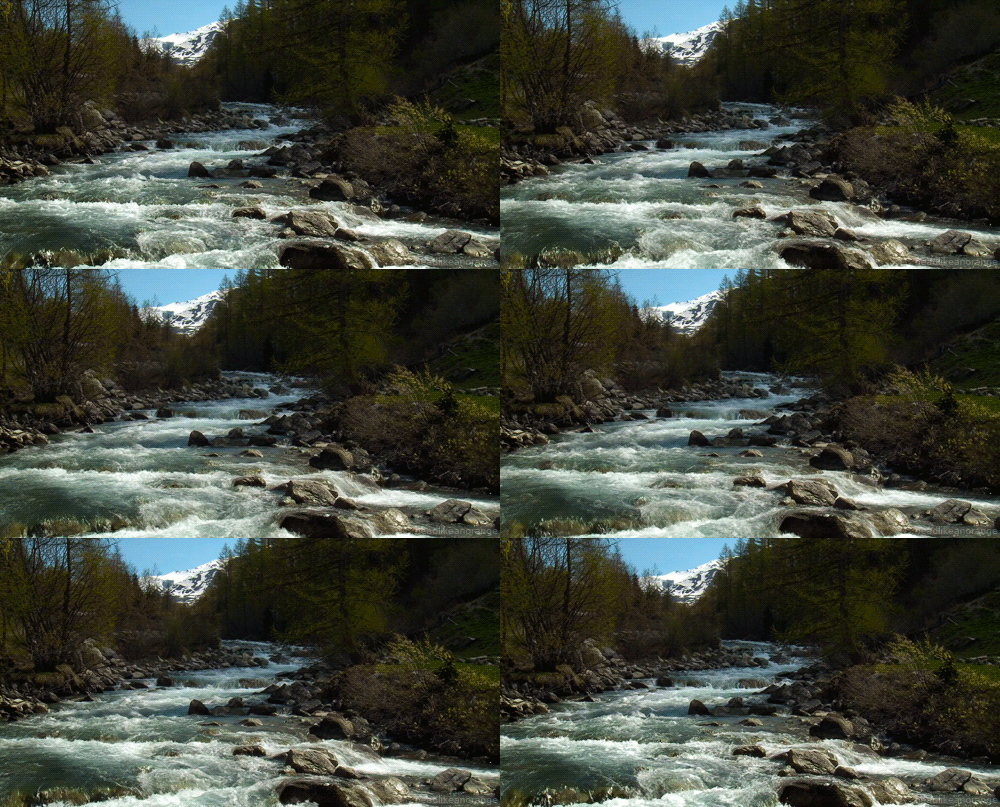


( animated GIFs from Marinus, creator of the Blog, “Head Like An Orange” )
Republished by Blog Post Promoter
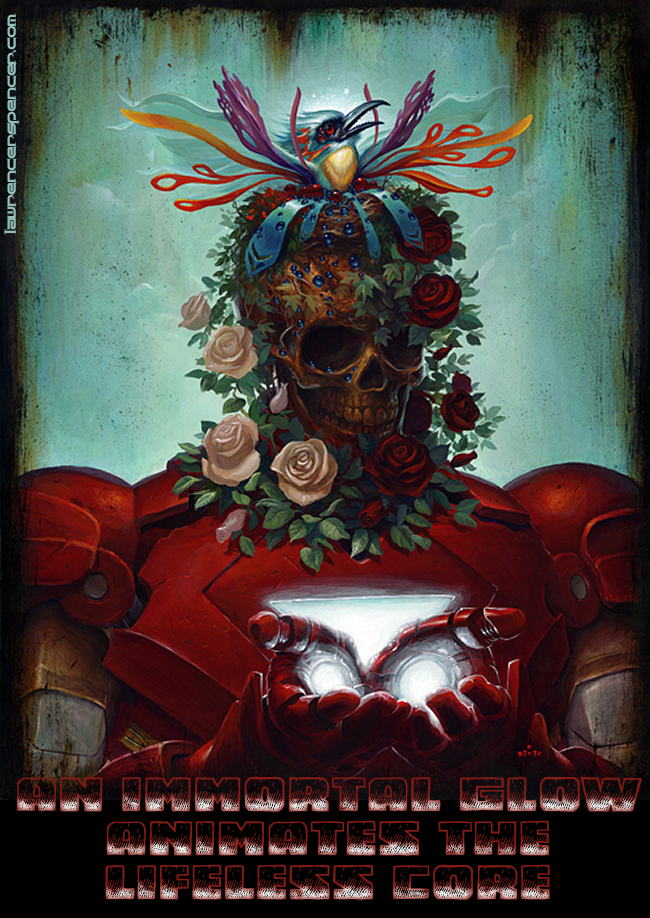
See the original painting by N.C. Winters
http://ncwinters.com/2012/05/03/avengers-assemble-with-a-cameo-by-joss-whedon/
Republished by Blog Post Promoter
Republished by Blog Post Promoter
This documentary reveals the real-life “Dude” (Jeff Feurzeig)who was, and abides as, the inspiration for the beloved central character in the Coen Brothers’ cult-favorite film THE BIG LEBOWSKI.
I was a real-life “Dude” back in 1968 too, a lot like Jeff, who was a member of the famous “Seattle Seven” protesting the war in Vietnam. I had a “4-D Deferment” from the military draft in 1968 because I had 1) registered for the draft at the age of 16 as an Conscientious Objector 2) I was a college student in 1968 and 3) I was pre-enrolled in theological seminary in preparation for becoming a minister. This gave me a guaranteed exemption for being drafted by my small town draft board. Many of my friends from high school (Class of ’64) were inducted into the military and did go to Vietnam. They came back in a box or they came back without arms or legs or with life-long drug addiction or nightmares. In the winter of 1967 or ’68 I attended a Students for A Democratic Society convention at the University of Indiana. I road all the way across country in a broken down car with 6 other hippies with no money, no food and no dope. We stayed for a day or two, got stoned, slept on the floor of a house and headed back. I don’t have a clue what went on at the convention but it was something to do.
In the spring of ’69 I attended an anti-war protest rally at the California State Capitol building. I tore up my draft card and mailed it back to me draft board, as a protest against the war. Two weeks later I received my brand new “1-A” Draft Card. Two weeks after that I was “invited” to the Army Induction Center in Oakland, CA to undergo military induction. I showed up, but instead of stripping down and standing in line with all the other draftees, I started passing out Anti-War pamphlets to the naked guys standing in line be examined. This wasn’t a big hit with the Army Sergeant. He pulled me aside and stuck me in a small room with an FBI agent. The agent asked me questions for half an hour. I didn’t say a single word. He decided I was crazy and sent me home. I never heard from my draft board again.
I got my girlfriend pregnant, got a day job as a hospital janitor, stopped getting stoned. Eventually, due to the economic pressure of raising kids, I became integrated into the same Corporate American White Collar Technocracy Culture that most of my generation abided since the 60s. You may not think all of this is too “revolutionary”, but I did risk going to prison for several years for “refusing induction”, and worse, getting my ass blown off in Vietnam while killing “gooks” for Big Oil Companies and other American Corporations who controlled the drug trade and other financial interests in SE Asia. Long story short: I managed to abide Vietnam. Since then I’ve managed to abide a whole bunch of NWO Imperialist military invasions around the world. Anyway, Dude or no Dude, the same old shit abides in the U.S.A.. The only difference is that now we have the Internet, so we know the secret NWO hidden government isn’t quite as secret as it was in the 60s. The “hippie-anti-war-revolution” of the 60s faded into the mists of broken American Dreams exemplified by Monday Night Football, retirement plans and political apathy. Today, “The Dude” is just another philosophical illusion, driven by pot-smoking motion picture marketing mavens. Ticket and t-shirt sales are up. But the revolution is gone.